Read all "Brief history" articles:
A Decade of Excellence: BigTopLabel Celebrates Its Seventh Award Ceremony at the European Parliament
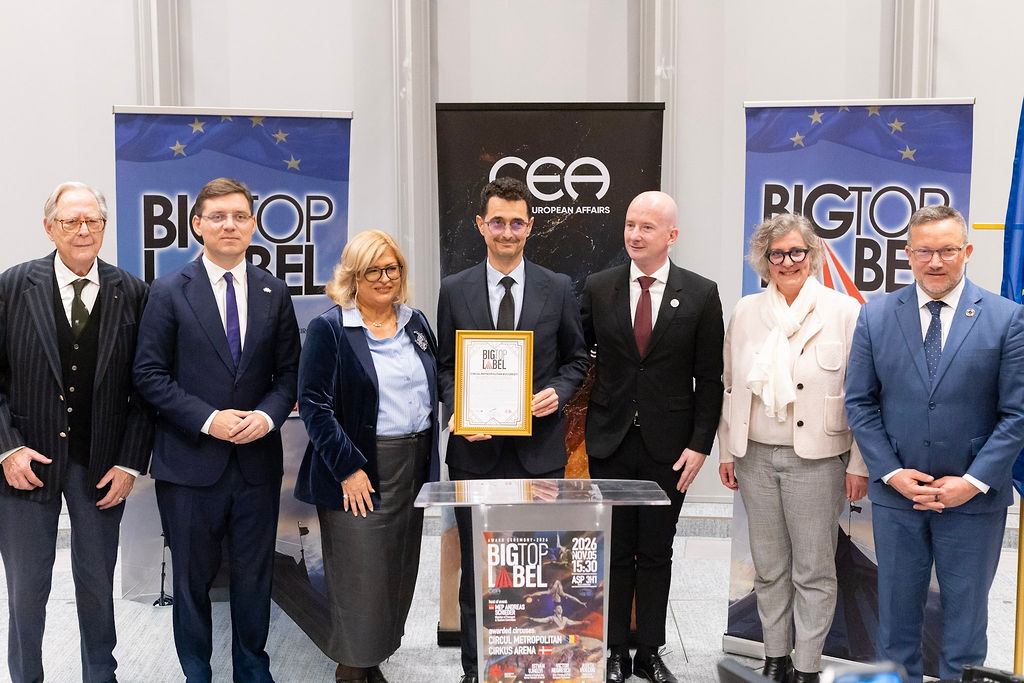
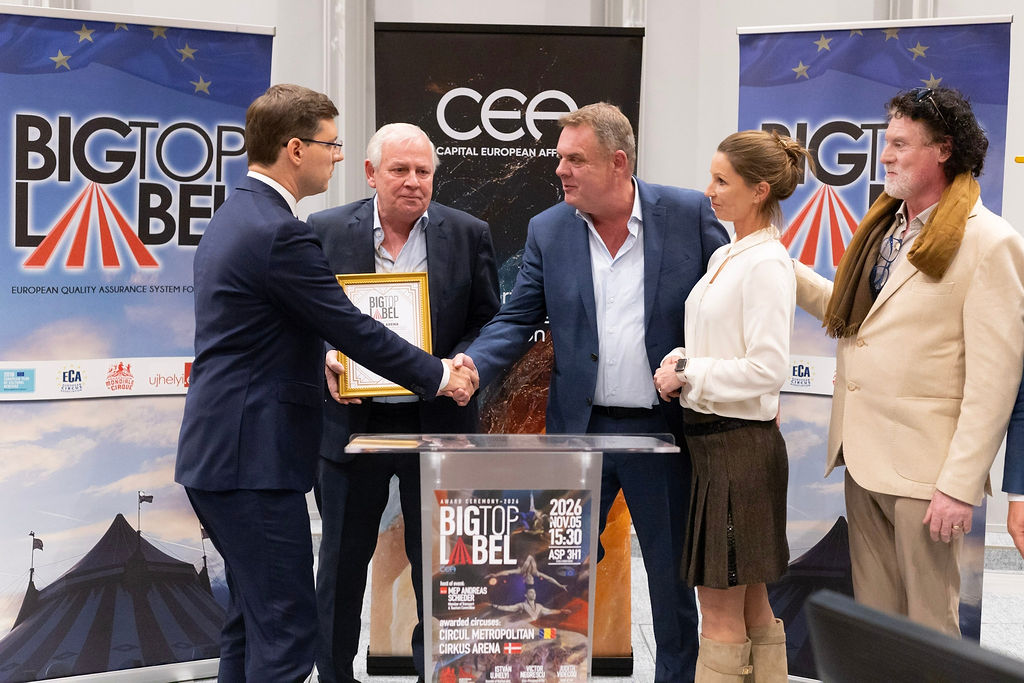
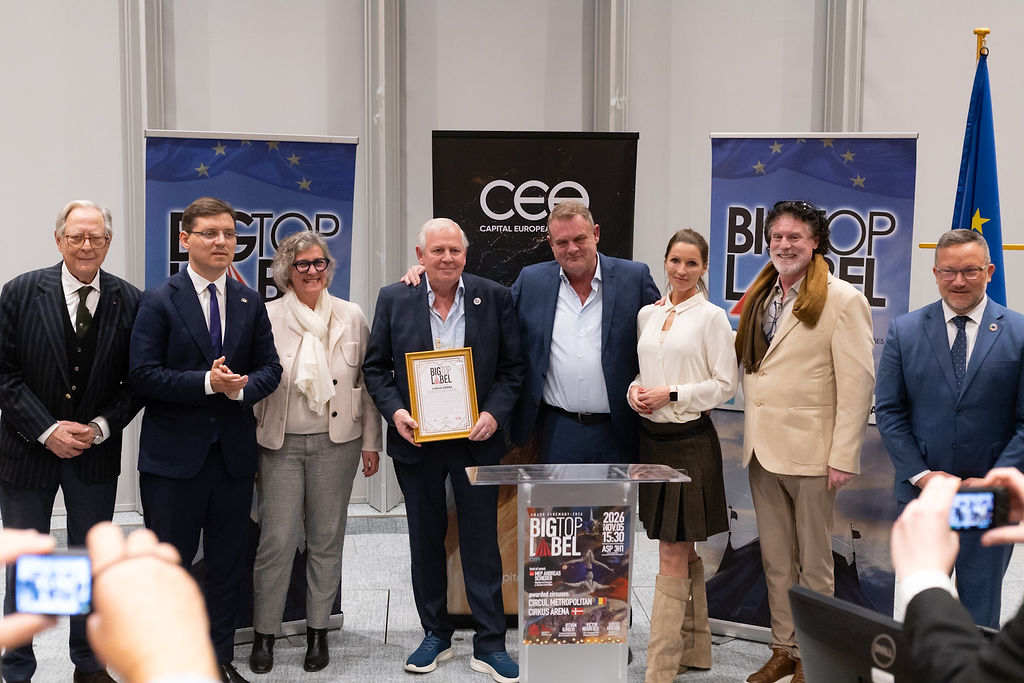
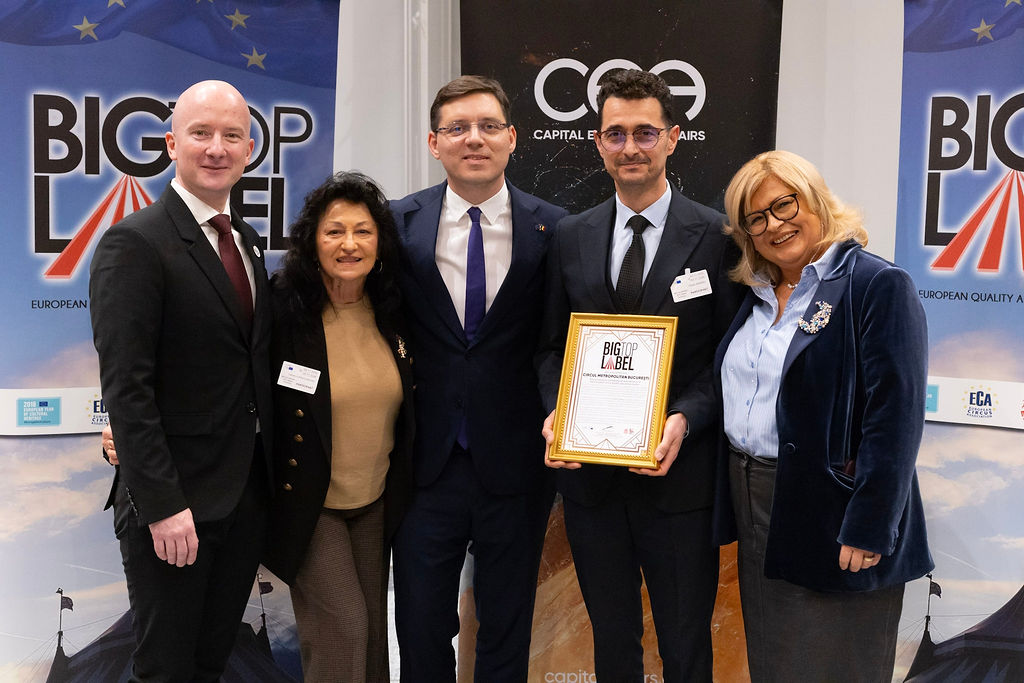
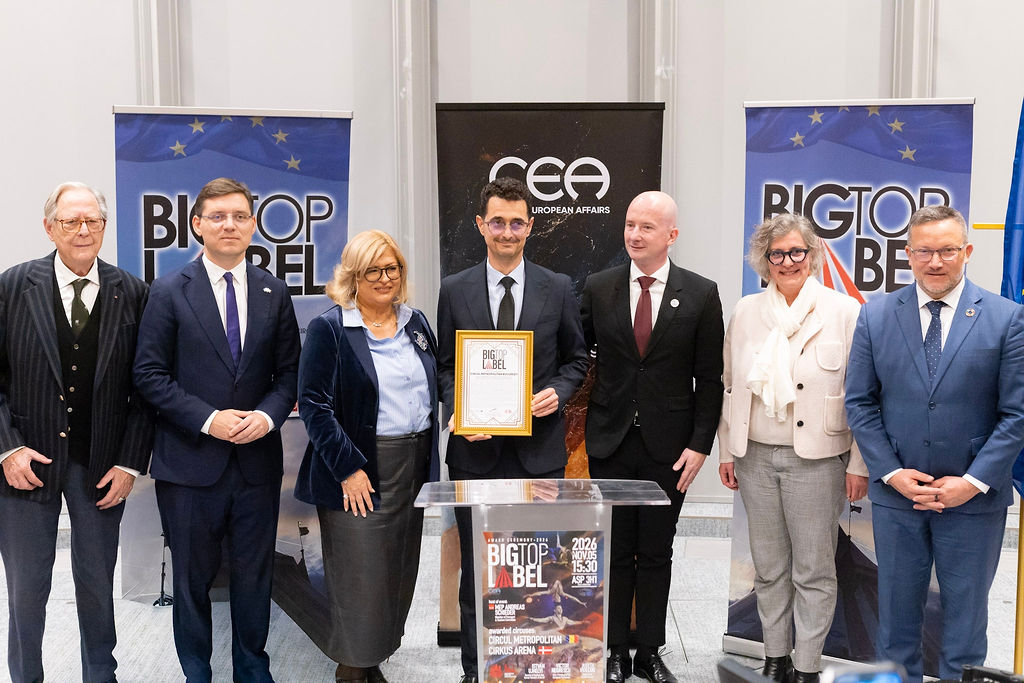
Two outstanding circus companies, Circul Metropolitan București from Romania and Cirkus Arena from Denmark, joined the BigTopLabel family at a memorable ceremony held at the European Parliament in Brussels on 5 November 2026. The seventh edition of the awards marked a particularly significant milestone: ten years since the idea of establishing an independent European quality certification programme for traditional circuses was first introduced in the same building. With the two new laureates, the BigTopLabel family has now grown to twenty certified circus companies.
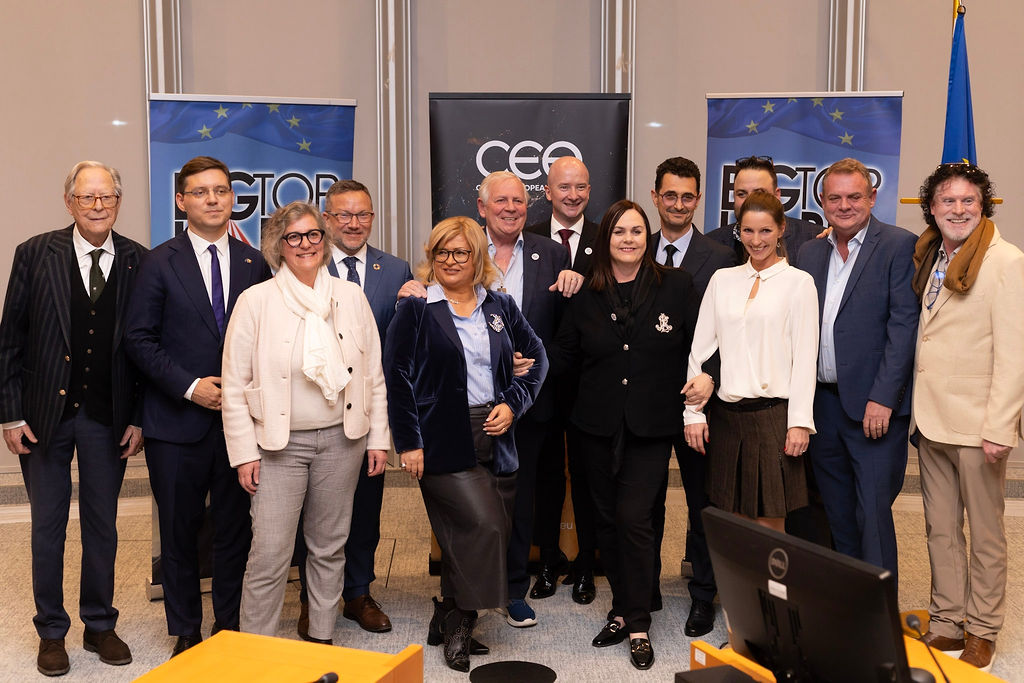
The ceremony brought together representatives of the European Parliament, the European Commission, the Fédération Mondiale du Cirque (FMC), the European Circus Association (ECA), and leading figures from the European circus community. Beyond celebrating artistic excellence and professional achievement, the occasion offered an opportunity to reflect on the values, traditions and future of circus arts as an integral part of Europe’s living cultural heritage.
Ten years of building a European standard for circus excellence
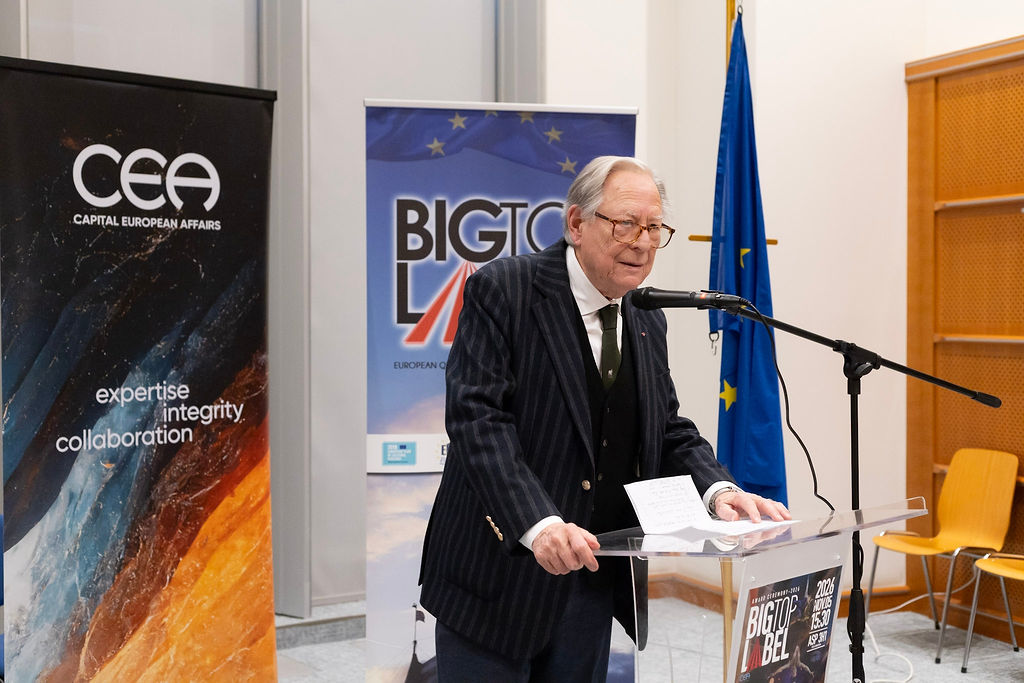
Opening the ceremony, Dr István Ujhelyi, former Member of the European Parliament and founder of the BigTopLabel initiative, recalled the discussions that had taken place in the European Parliament exactly ten years earlier. At that time, representatives of the circus sector and European policymakers had gathered to explore how to preserve, protect and strengthen this centuries-old art form.
It was during those discussions that the concept of BigTopLabel emerged: an independent, non-profit quality certification system designed to recognise outstanding circus companies and promote the highest standards of artistic excellence, professionalism and responsibility.
Ujhelyi reflected on the journey from an ambitious idea to an established European programme, expressing particular pride in the twenty circus companies that have now received the certification.
He also emphasised that, despite technological developments, changing audience expectations and the challenges facing traditional circus, the fundamental values of the art form remain unchanged. Circus continues to bring generations together, celebrate extraordinary human achievement, encourage cooperation and overcome linguistic and cultural barriers.
As he concluded, these timeless qualities make circus an essential part of Europe’s shared cultural identity.
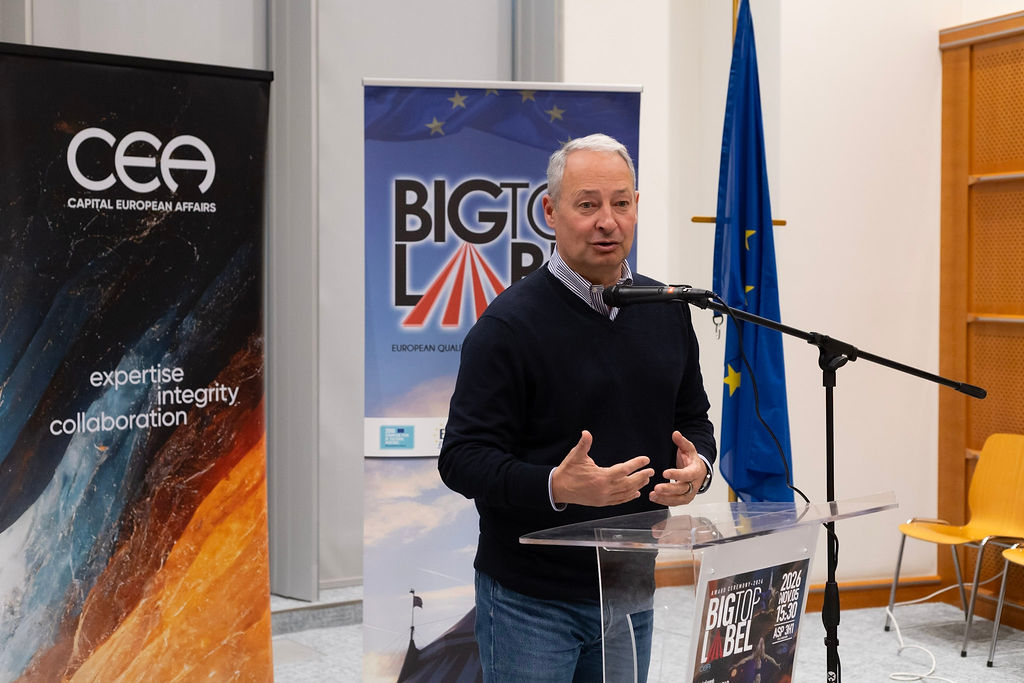
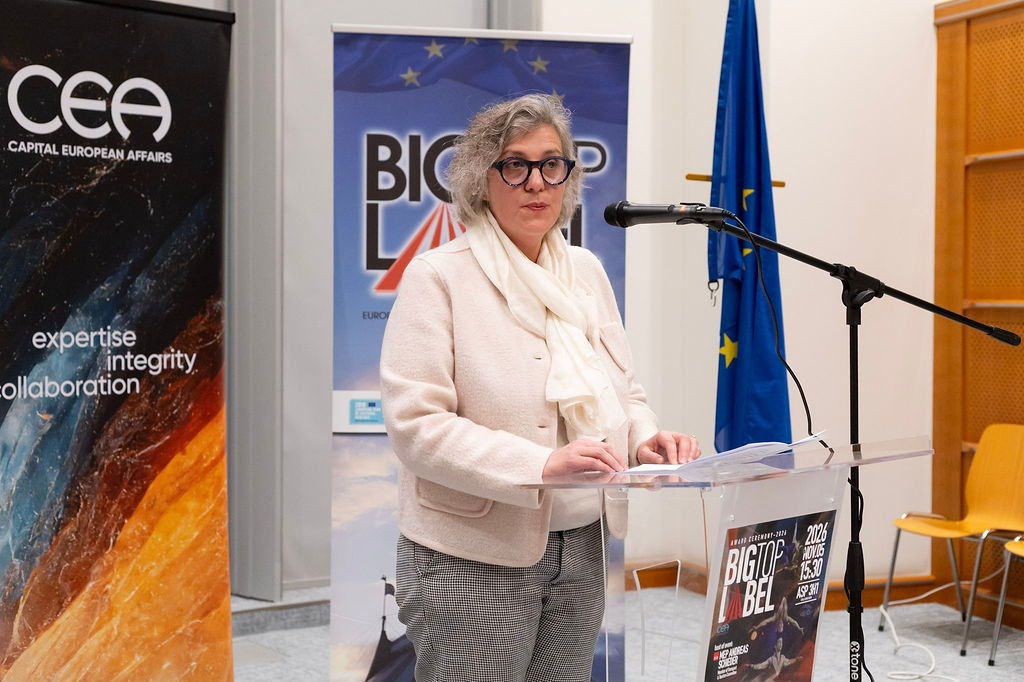
The event was hosted by Andreas Schieder, Member of the European Parliament, who reaffirmed his personal and institutional support for BigTopLabel. Recalling his longstanding friendship with István Ujhelyi, Schieder highlighted the importance of an independent quality label in responding to contemporary expectations concerning animal welfare, environmental responsibility, social impact and professional standards.
He stressed that the certification allows audiences to enjoy circus performances with confidence in the quality and responsibility of the companies behind them. Schieder also expressed his willingness to continue hosting the ceremony at the European Parliament in the years ahead.
His remarks ended with the traditional German invitation to the circus ring: “Manege frei!”
The European Commission recognises circus as living cultural heritage
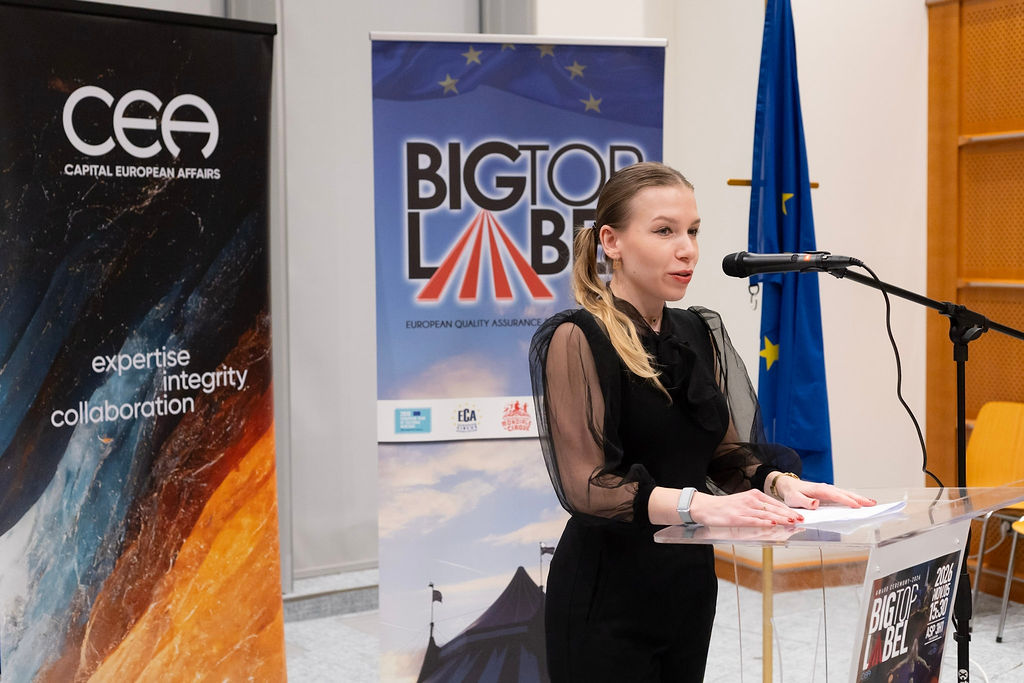
One of the ceremony’s central addresses was delivered by Judith Videcoq, Head of the Creative Europe Unit at the European Commission, who participated on behalf of Commissioner Glenn Micallef.
In her speech, Videcoq placed the BigTopLabel initiative within the broader context of European cultural policy, emphasising the distinctive contribution of circus to Europe’s cultural diversity and shared heritage.
She recalled that, long before modern international cultural networks existed, travelling circus companies were already carrying artistic performances, traditions and stories from one community to another, bringing culture to audiences who might otherwise have had limited access to live artistic experiences.
At the same time, she stressed that traditional circus should not be regarded simply as a historical legacy. It is a living art form that must continue to evolve, responding to changing social expectations, developing new artistic expressions and creating opportunities for future generations.
“Traditional circus is not a memory to be protected behind glass. It is a living art form,” she observed.
Videcoq praised BigTopLabel for encouraging the circus sector to pursue artistic excellence alongside responsible professional practices, care for people and animals, and a lasting relationship with audiences.
Looking towards the future, she also outlined the European Commission’s proposal for AgoraEU, the new European programme for culture, media and civil society for 2028–2034. The proposed framework would build on the achievements of Creative Europe, placing further emphasis on cross-border cooperation, artistic mobility, inclusion, international partnerships and the circulation of cultural works.
These priorities, she explained, are particularly relevant to circus as a sector with a longstanding tradition of international artistic exchange and cultural mobility.
Congratulating the two laureates, Videcoq highlighted their commitment to artistic excellence, responsible practice and maintaining meaningful relationships with audiences across generations.
Urs Pilz: BigTopLabel is an achievement for the entire circus community
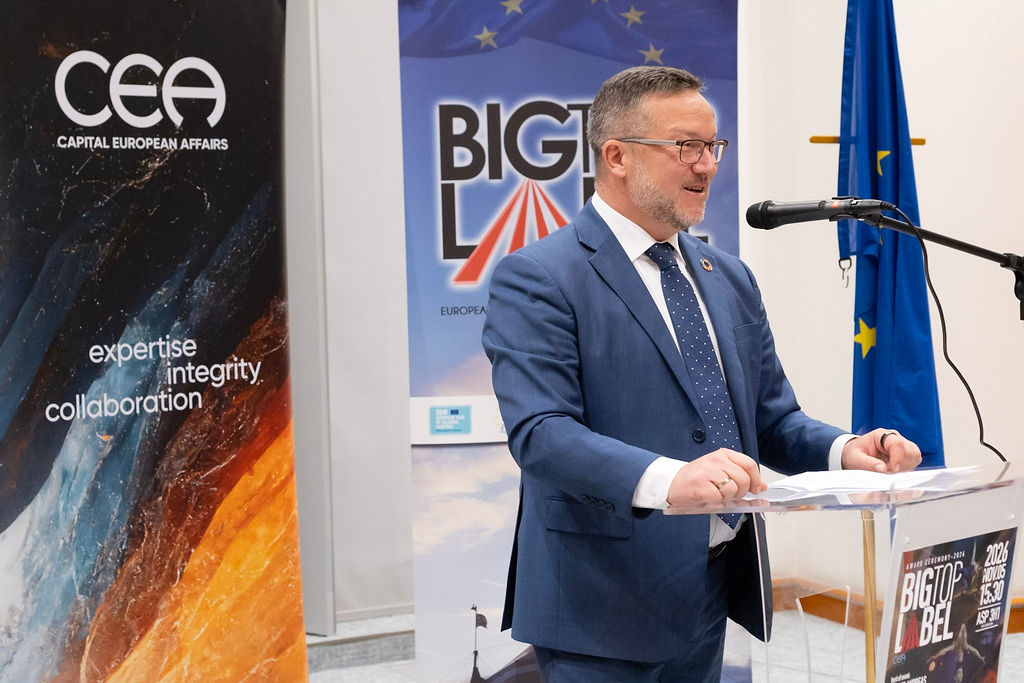
Urs Pilz, President of the Fédération Mondiale du Cirque and the European Circus Association, recalled the longstanding efforts of both organisations to establish a credible and independent system capable of recognising the best European circus companies.
He explained that developing such a scheme had presented a considerable challenge, particularly because the evaluation process needed to remain neutral, transparent and independent of professional interests.
The initiative proposed by István Ujhelyi provided the foundation for a solution that has since developed into an established quality certification programme.
Pilz expressed his gratitude to Ujhelyi for initiating the project and also acknowledged the continuous work of Tamás Lajos Szalay, whose dedication, travels and organisational efforts have contributed significantly to BigTopLabel’s development.
Reflecting on the two newly certified circuses, Pilz shared personal memories illustrating the close relationships that have developed within the international circus community over many decades.
He recalled his first encounter with Benny Berdino and Cirkus Arena almost forty years ago, when the Danish company was still a relatively small family circus. Over subsequent decades, he witnessed its extraordinary growth into one of the leading circus enterprises in Northern Europe.
His recollections of visits to the circus, conversations in the family’s kitchen wagon and the hospitality he experienced over the years illustrated the personal bonds that characterise the circus world.
Pilz also paid tribute to the recently deceased Hanne Berdino, describing her as the soul of Cirkus Arena and offering the condolences of both international circus organisations.
Turning to Circul Metropolitan București, he remembered the company’s remarkable aerial ballet at the 2007 International Circus Festival of Monte-Carlo. The performance, featuring nine artists on blue vertical ropes, received the prestigious Bronze Clown award. He particularly acknowledged the creative contribution of Ama Butoiescu-Hogea, who was present at the Brussels ceremony.
Pilz also recalled the inauguration of the statue of Prince Rainier III in Bucharest in 2017, attended by Princess Stéphanie of Monaco, as another symbol of the Romanian circus’s longstanding connection to the international circus community.
Addressing both laureates, he stressed that the certification should be actively used in their public communications and relations with authorities, helping to demonstrate the quality and achievements recognised by the independent BigTopLabel Committee.
Victor Negrescu honours two outstanding European circus traditions
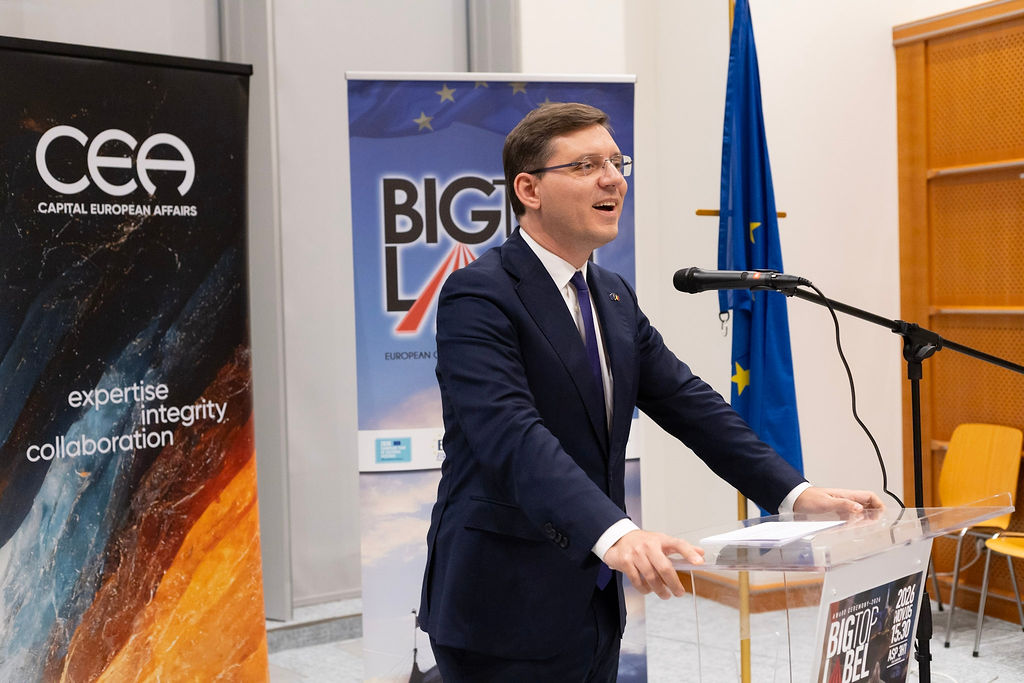
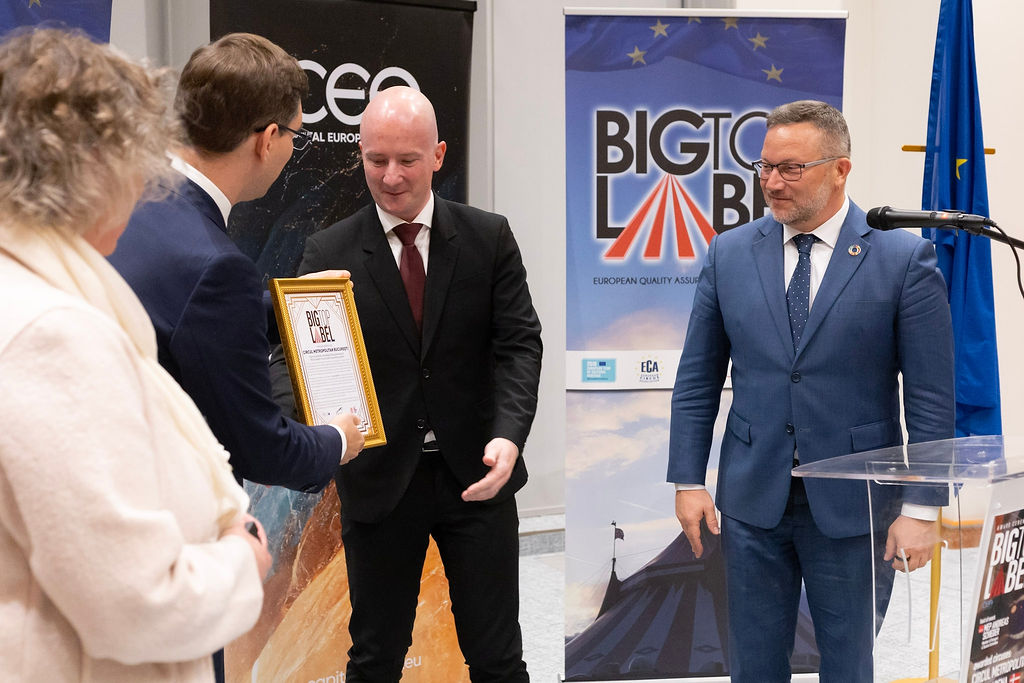
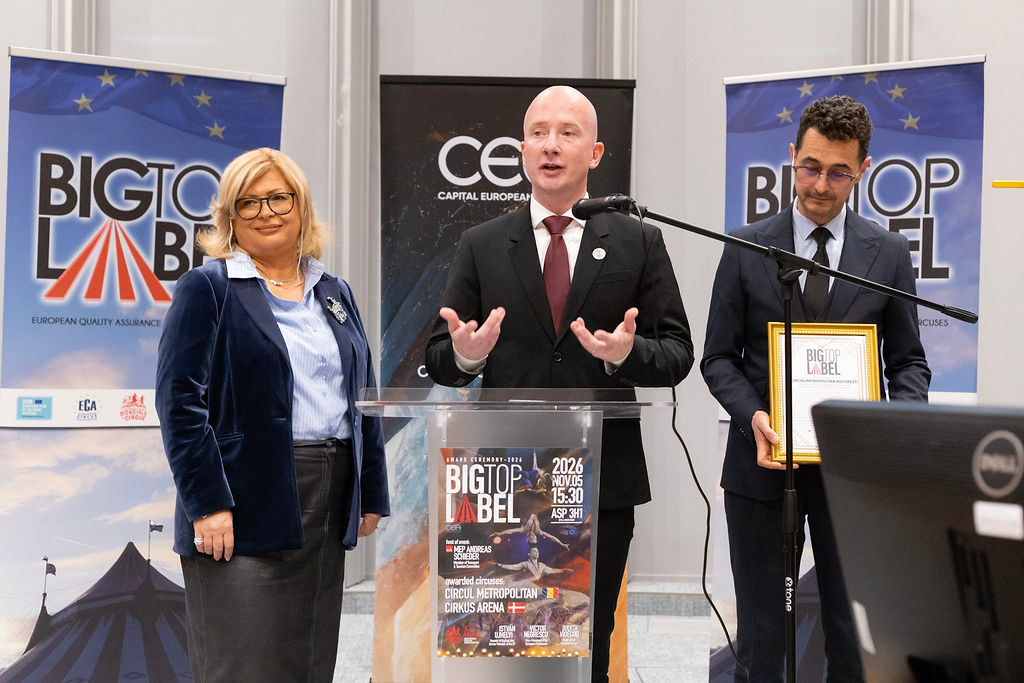
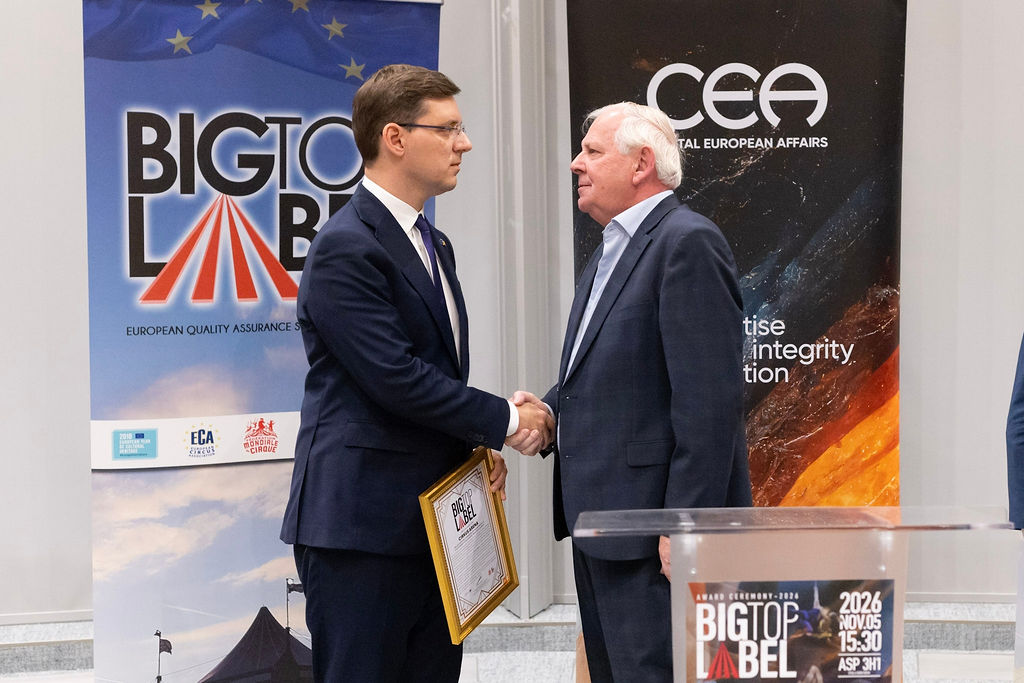
The presentation of the awards was led by Victor Negrescu, Vice-President of the European Parliament, who delivered individual laudations for both winning circuses.
In his address, Negrescu emphasised the importance of recognising circus artists, technicians and support teams whose dedication makes exceptional live performances possible.
He also stressed the importance of improving the visibility of circus arts within European cultural support programmes, calling for greater recognition of the sector’s creative contribution.
Circul Metropolitan București – Generations of Romanian circus excellence
The first award was presented to Circul Metropolitan București, one of Romania’s most prominent cultural institutions, known to generations of spectators as Globus.
Founded in 1954, the Bucharest circus has played an important role in Romania’s cultural life, introducing generations of children and families to the imagination, discipline and creativity of circus performance.
In his laudation, Victor Negrescu offered a particularly personal reflection on the company’s cultural significance. He recalled visiting the circus for the first time at the age of seven and described how those childhood memories continue to resonate when he attends performances with his own son.
He highlighted the extraordinary work behind every production, from years of artistic training and rehearsals to the technical expertise and responsibility required to ensure safe performances.
Negrescu also drew a parallel between circus and the European project, observing that circus crosses linguistic and cultural boundaries, bringing together people of different ages and backgrounds through a shared experience.
He praised Circul Metropolitan for preserving its artistic heritage while continuing to develop new talent, innovate and inspire future generations.
Accepting the award on behalf of the institution, George Costin, Director of Circul Metropolitan București, delivered one of the ceremony’s most thoughtful and philosophical speeches.
He described circus as an art form that explores the possibilities of human nature, imagination and determination, transforming years of discipline and effort into moments of joy and wonder.
Costin also reflected on the fragility of circus traditions and the importance of passing artistic knowledge directly from one generation to the next.
“Circus is an art of the present as much as it is an art of tradition. Traditions must be inherited, but they must also be nurtured,” he said.
He paid special tribute to his colleagues, Florin Barbu and Ama Butoiescu-Hogea, acknowledging their contribution to guiding the institution through both successful and challenging periods.
Welcoming Circul Metropolitan’s membership of the BigTopLabel family, Costin expressed the institution’s commitment to future cooperation, joint projects and initiatives promoting circus as an essential part of European cultural heritage.
He also extended an invitation to the international circus community to visit Bucharest and strengthen professional and artistic exchanges.
Cirkus Arena – A remarkable Danish family legacy
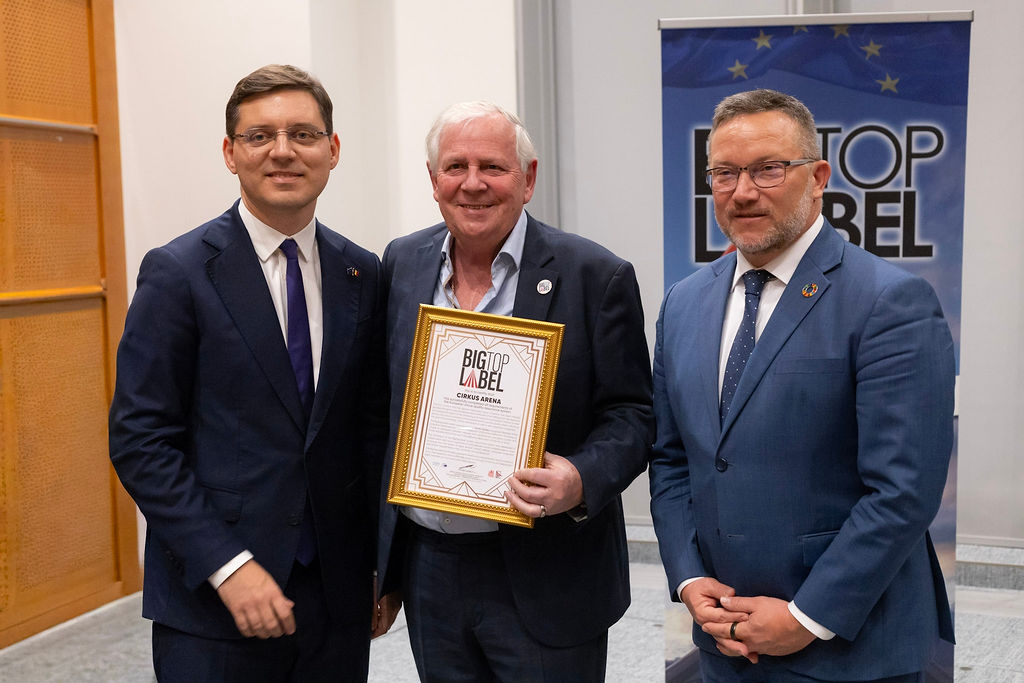
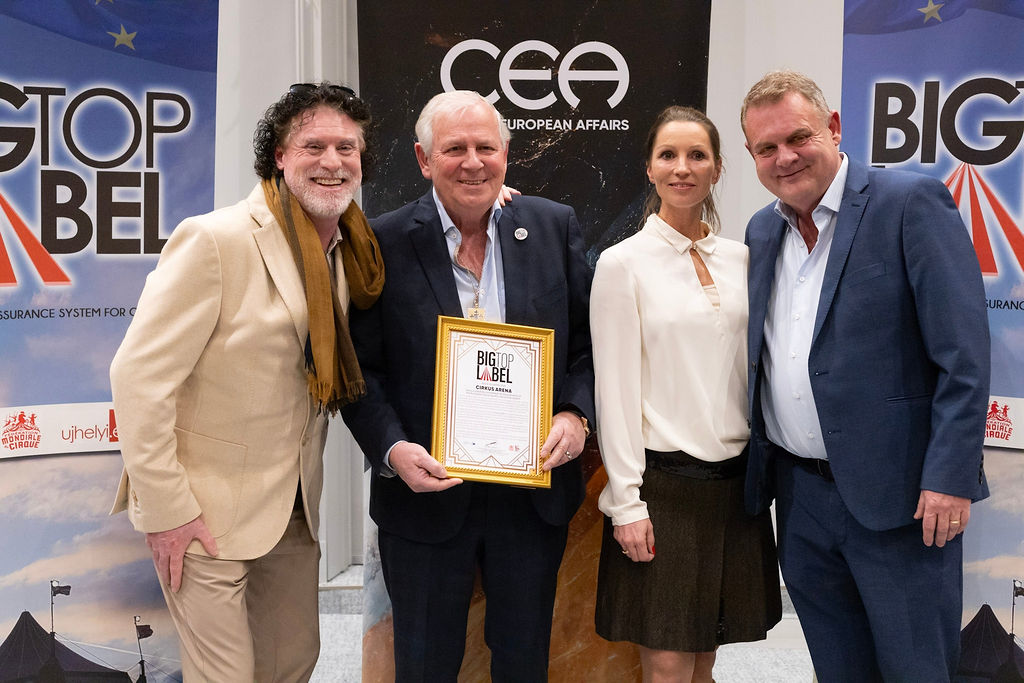
The second BigTopLabel certificate was presented to Cirkus Arena, Denmark’s renowned travelling circus and the largest circus company in the Nordic region.
Established in 1955 with a tent accommodating just 98 spectators, Arena has developed over more than seven decades into a major cultural institution, bringing international circus performances to communities throughout Denmark.
In his laudation, Victor Negrescu praised the remarkable dedication of the Berdino family and the company’s contribution to making live performing arts accessible beyond major cities and established cultural centres.
He highlighted the particular significance of travelling circuses, which bring entertainment and artistic experiences directly to local communities, often creating memories that remain with spectators throughout their lives.
According to Negrescu, Cirkus Arena demonstrates how a deeply rooted national tradition can be enriched by international artistic cooperation and cultural exchange.
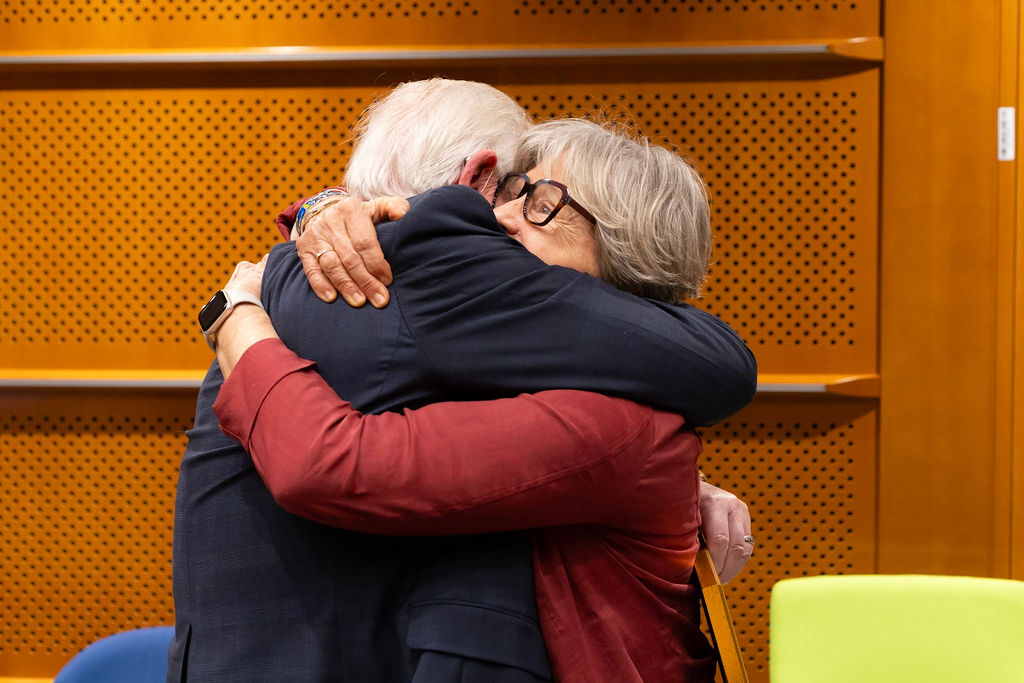
The presentation also became one of the ceremony’s most emotional moments, as speakers and participants remembered Hanne Berdino, whose recent passing had deeply affected the family and the circus community.
Negrescu paid tribute to her decades of dedication to Cirkus Arena, emphasising that the award also recognised her lasting contribution to the institution and its remarkable family legacy.
The certificate was presented in her memory.
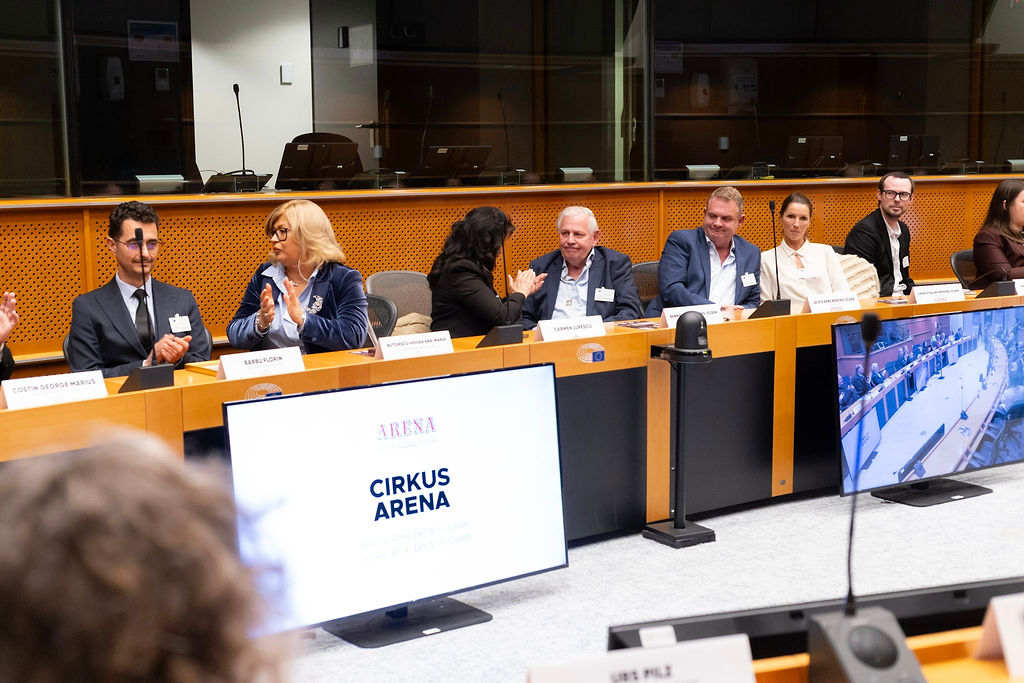
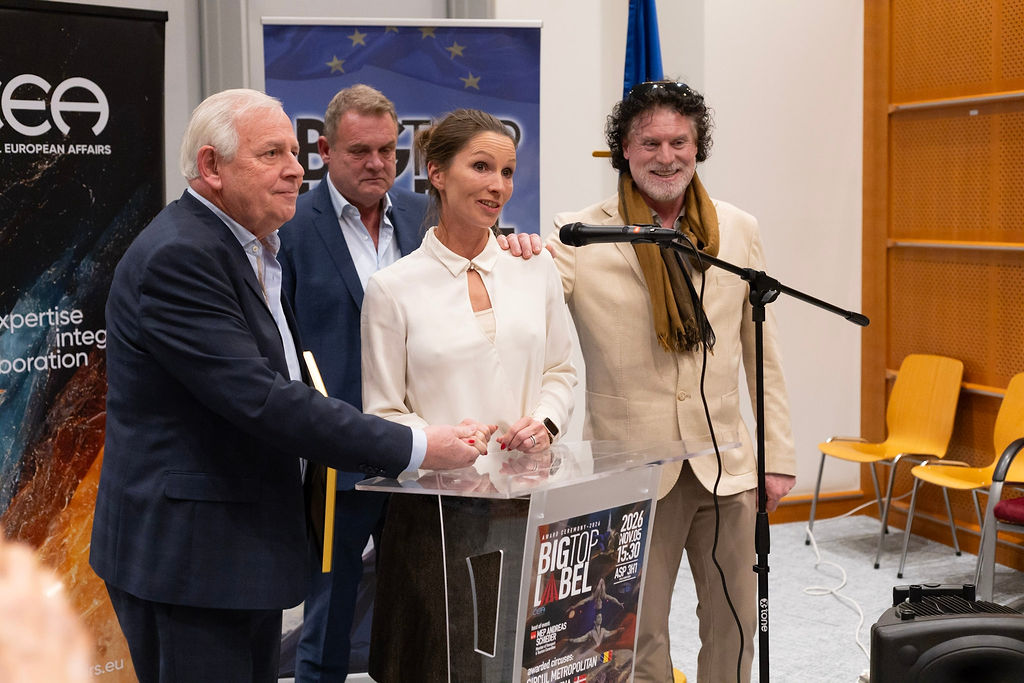
Representing the company, Laura Staaling Berdino-Olsen offered a brief but deeply moving message of gratitude. She acknowledged the friends, family members, artists, technicians and colleagues whose collective efforts had made the achievement possible, while also recognising the particularly difficult period the family was experiencing.
Her heartfelt words served as a reminder that behind the grandeur of circus performances stand generations of human commitment, friendship and shared dedication.
A special recognition for Susy Eötvös
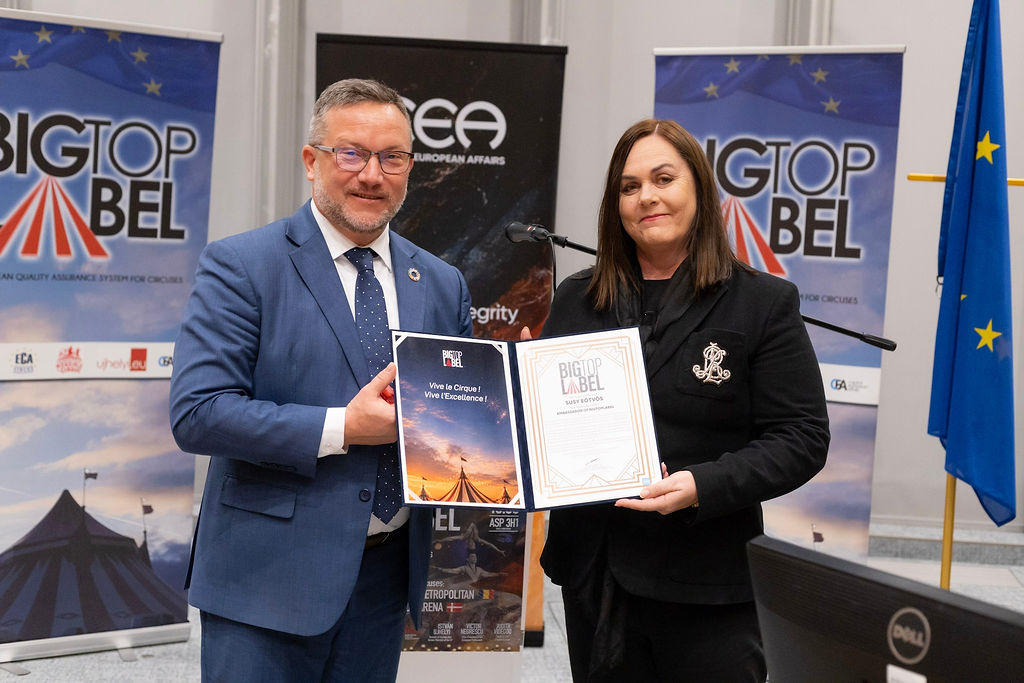
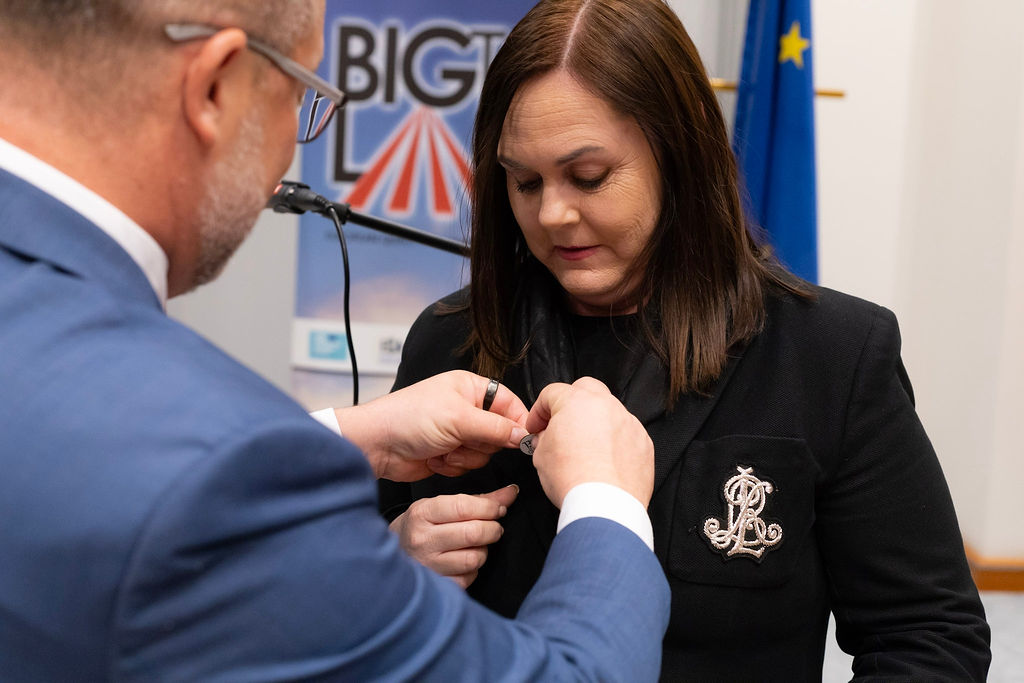
The ceremony concluded with an unexpected and touching tribute to Susy Eötvös, who has been supporting the BigTopLabel management team as a Senior Artistic Advisor.
In a special presentation, István Ujhelyi expressed his appreciation for her voluntary contributions, creative ideas, professional expertise and extensive connections within the international circus community.
He emphasised that her involvement was motivated by friendship, generosity and a genuine commitment to the future of circus arts.
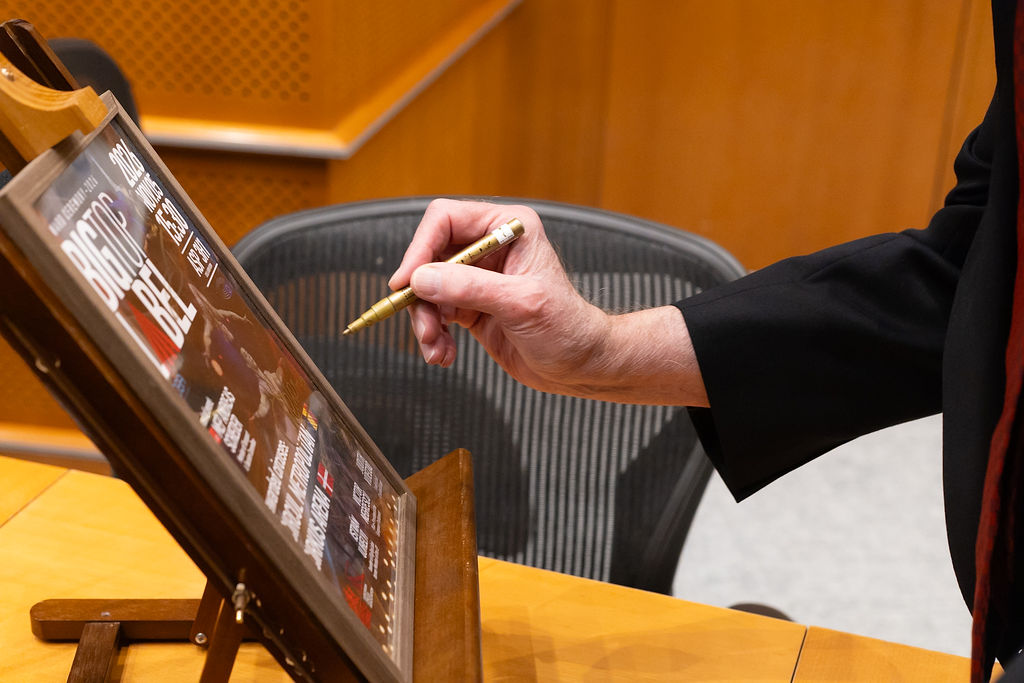
To recognise her valuable contribution to the development and credibility of the programme, Susy Eötvös received a special certificate of recognition, presented as a symbol of the organisers’ gratitude and appreciation.
The surprise provided a fitting conclusion to an afternoon that celebrated not only professional achievements and institutional recognition, but also the personal dedication and human relationships that sustain the circus world.