Read all "Brief history" articles:
How It All Began – The Origins of BigTopLabel
A historic conference in the European Parliament
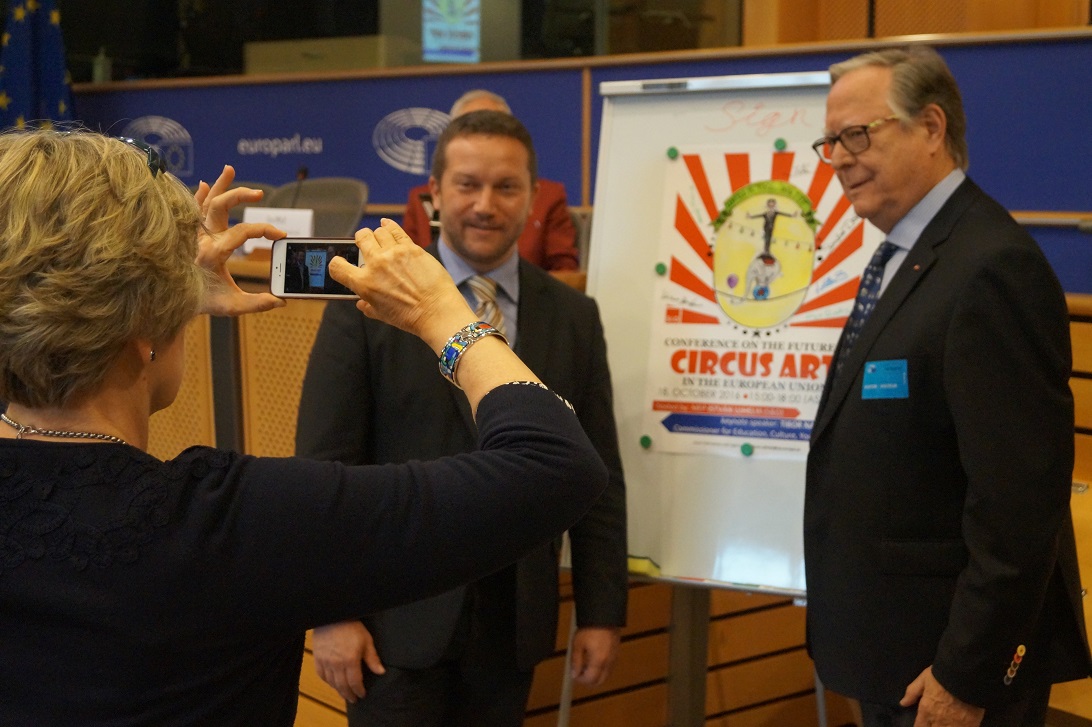
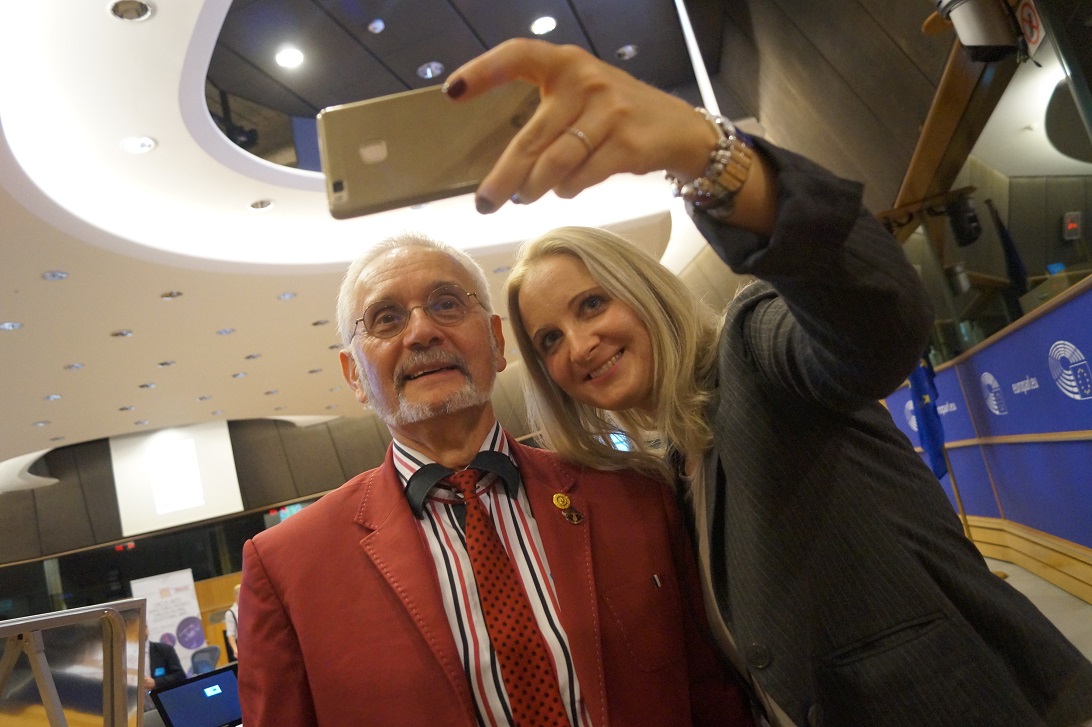
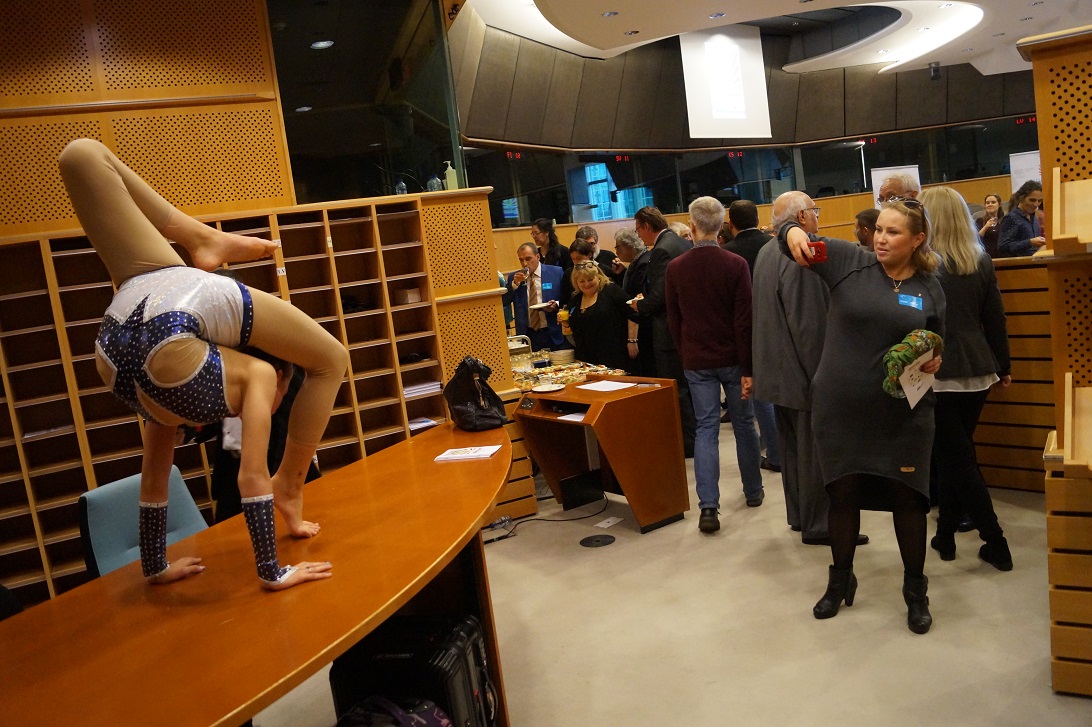
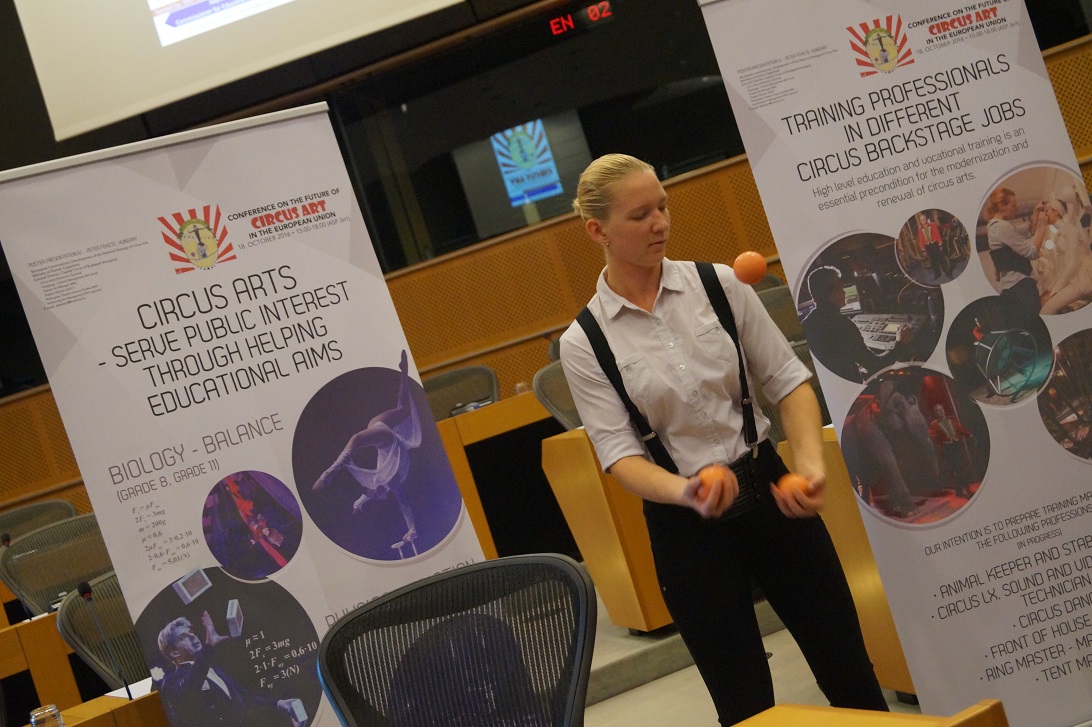
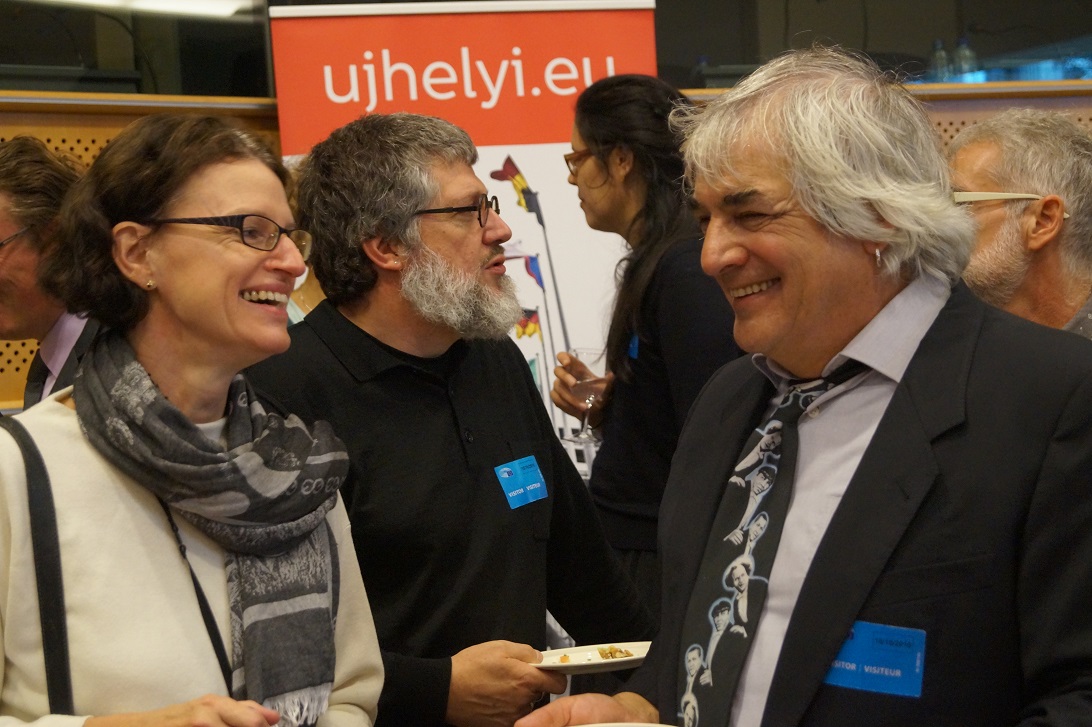
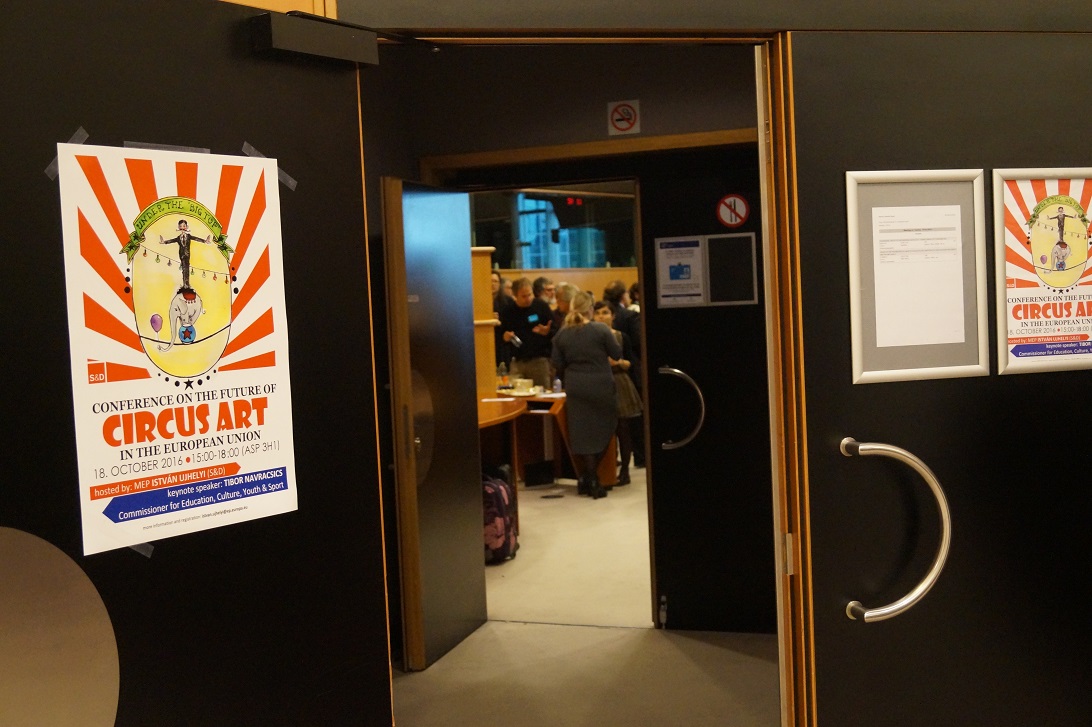
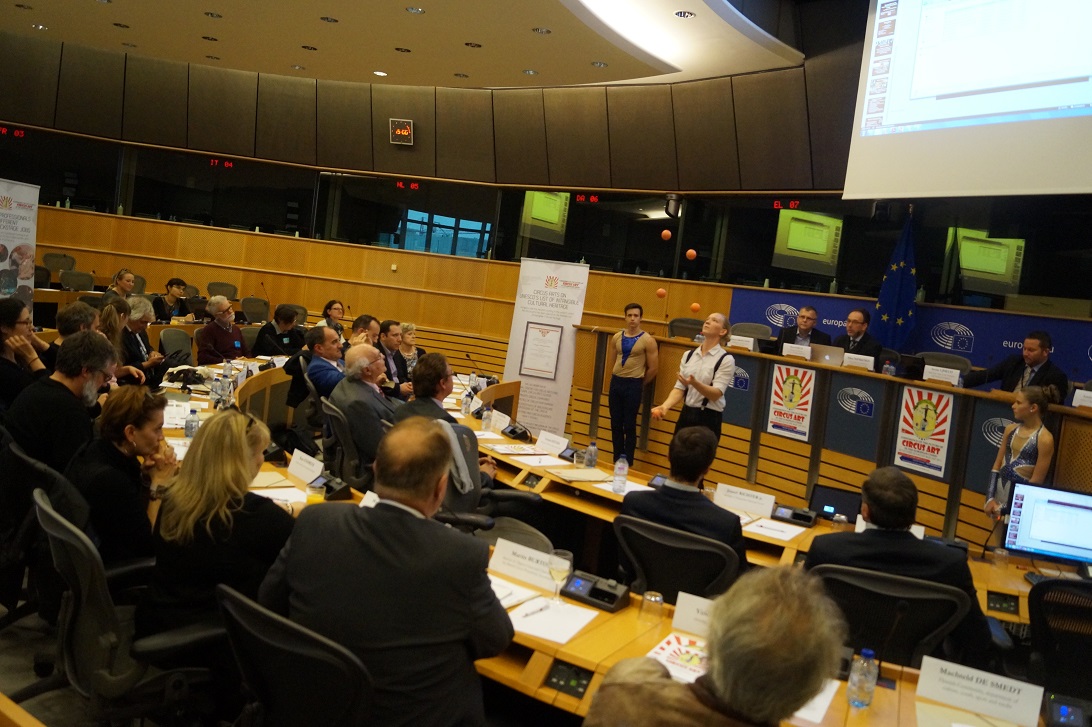
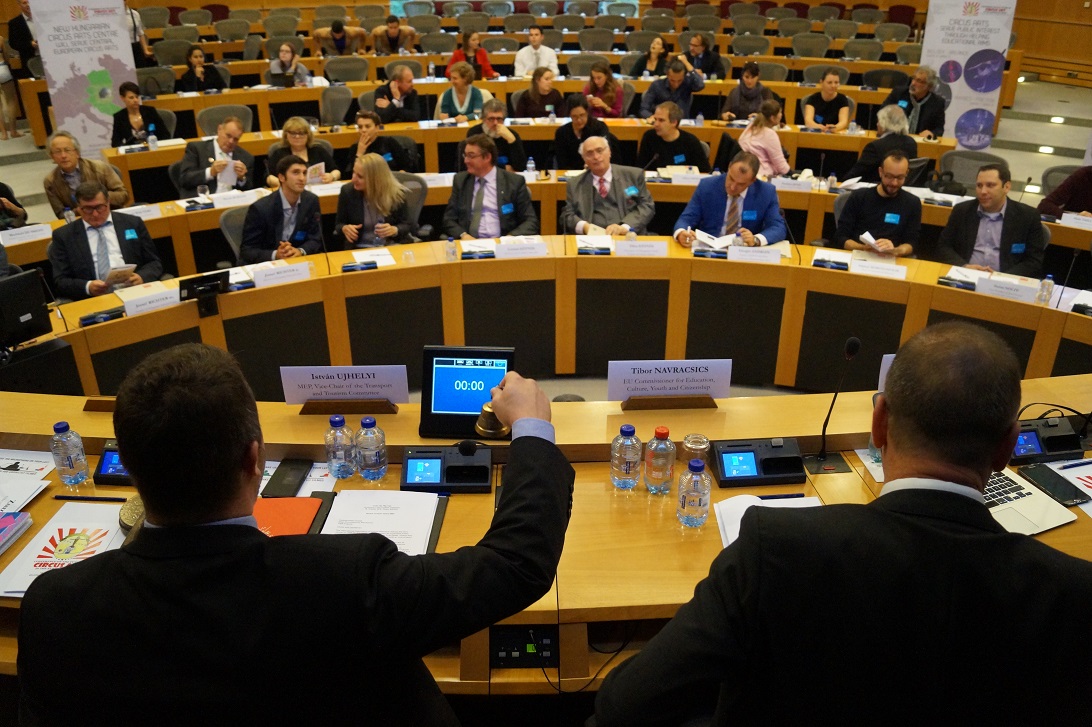
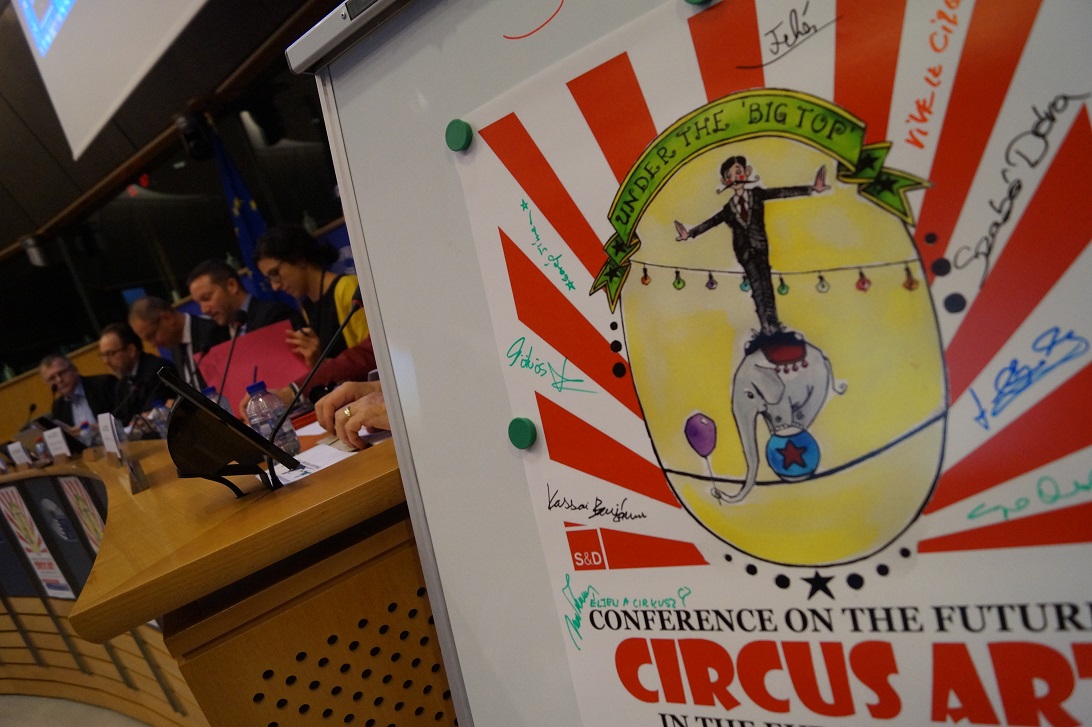
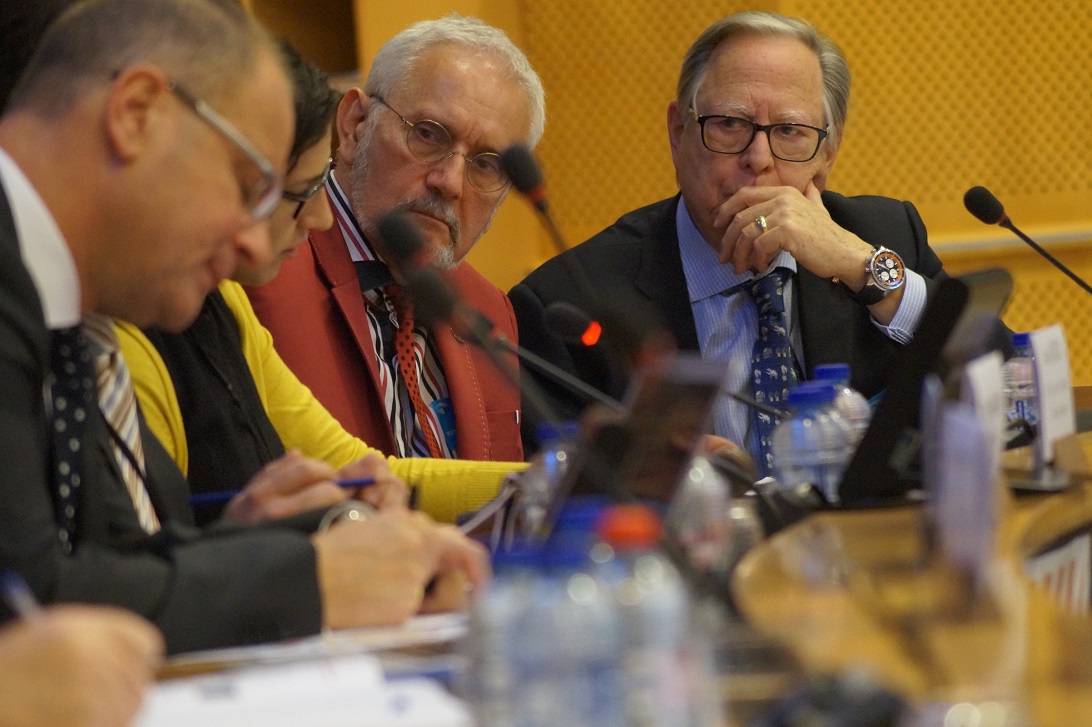
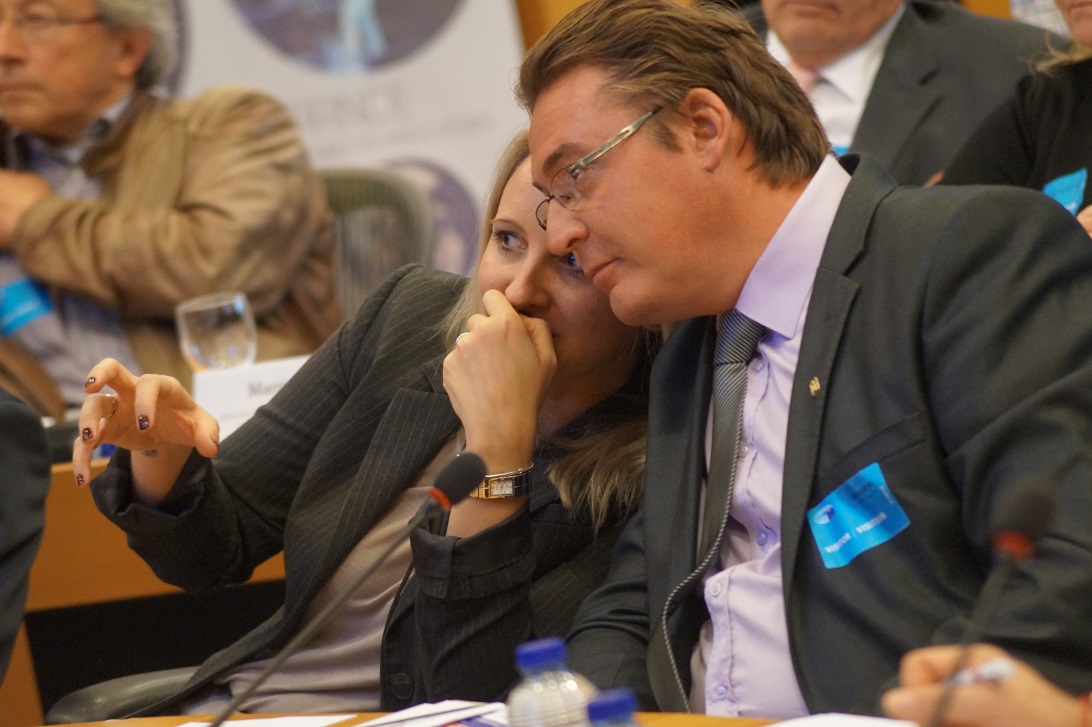
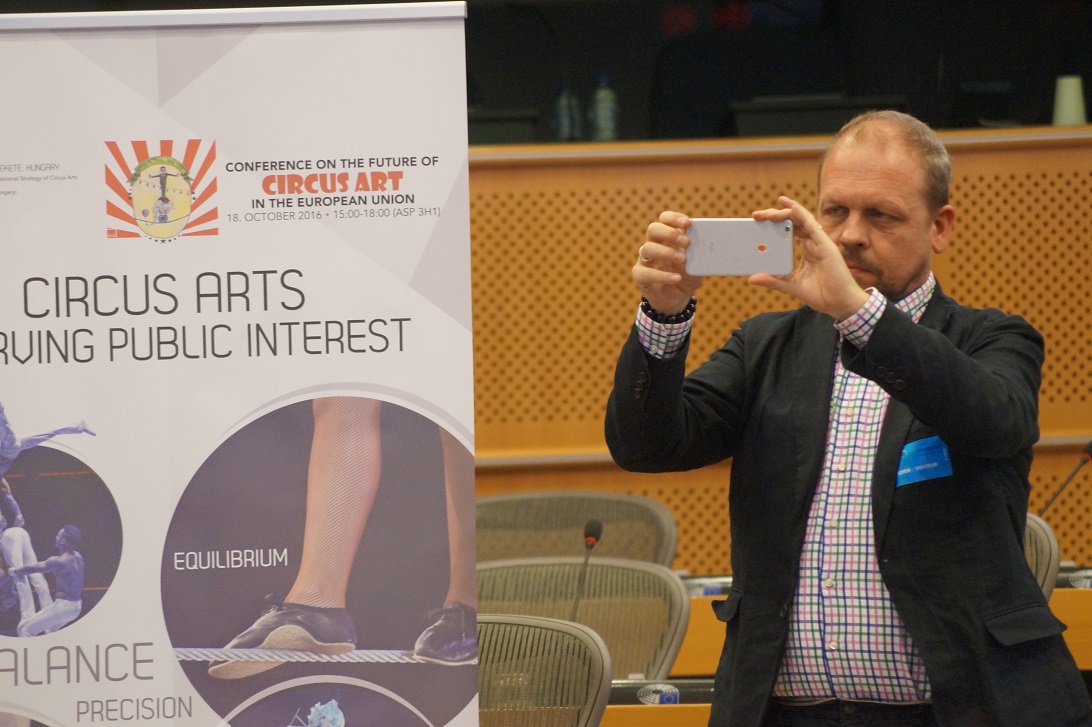
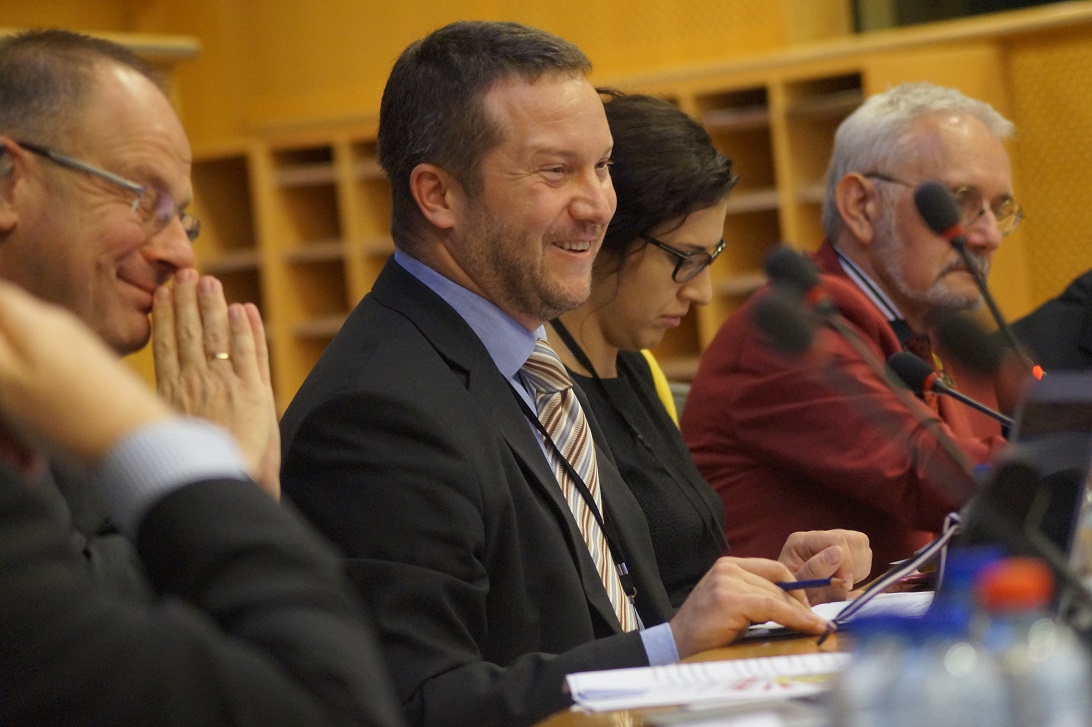
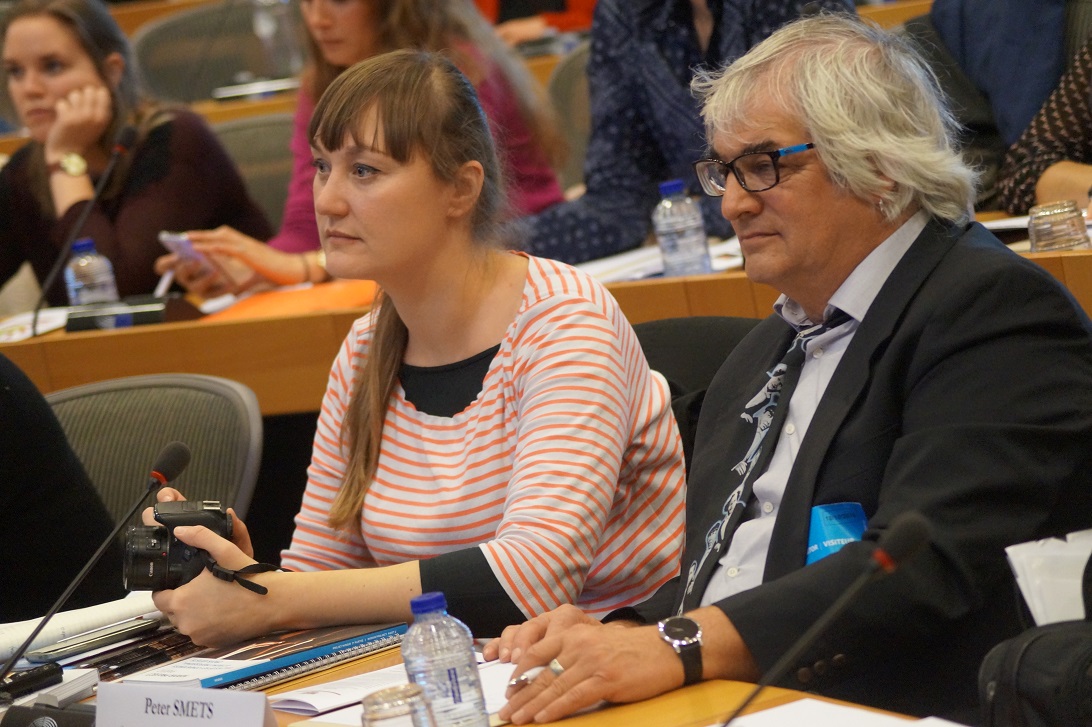
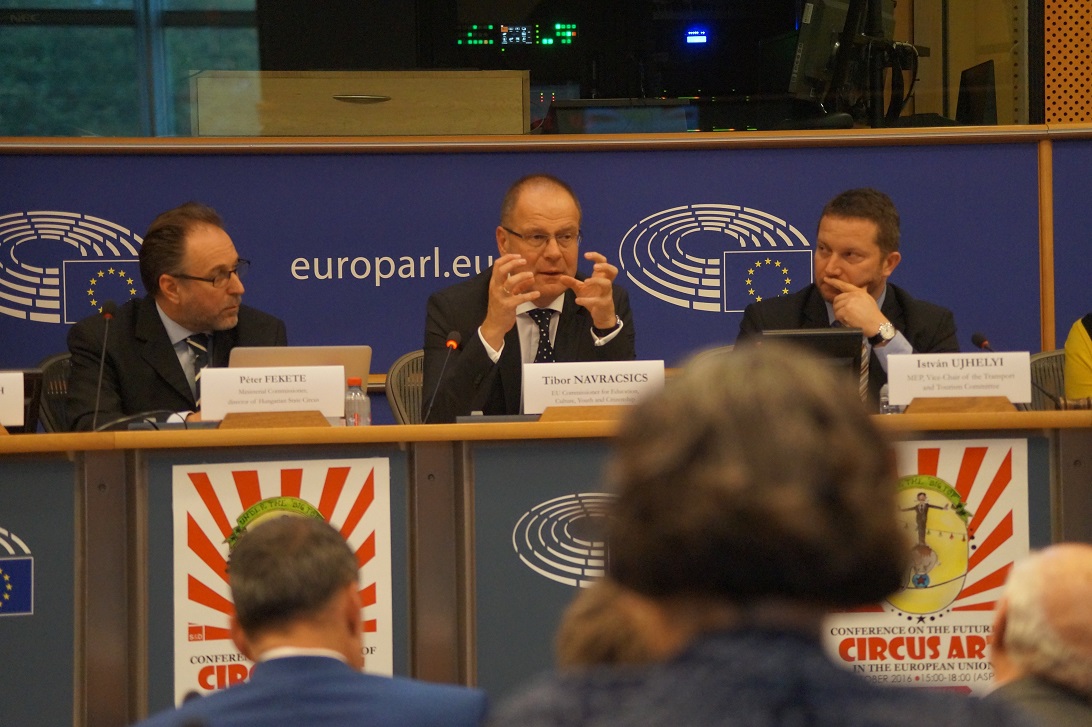
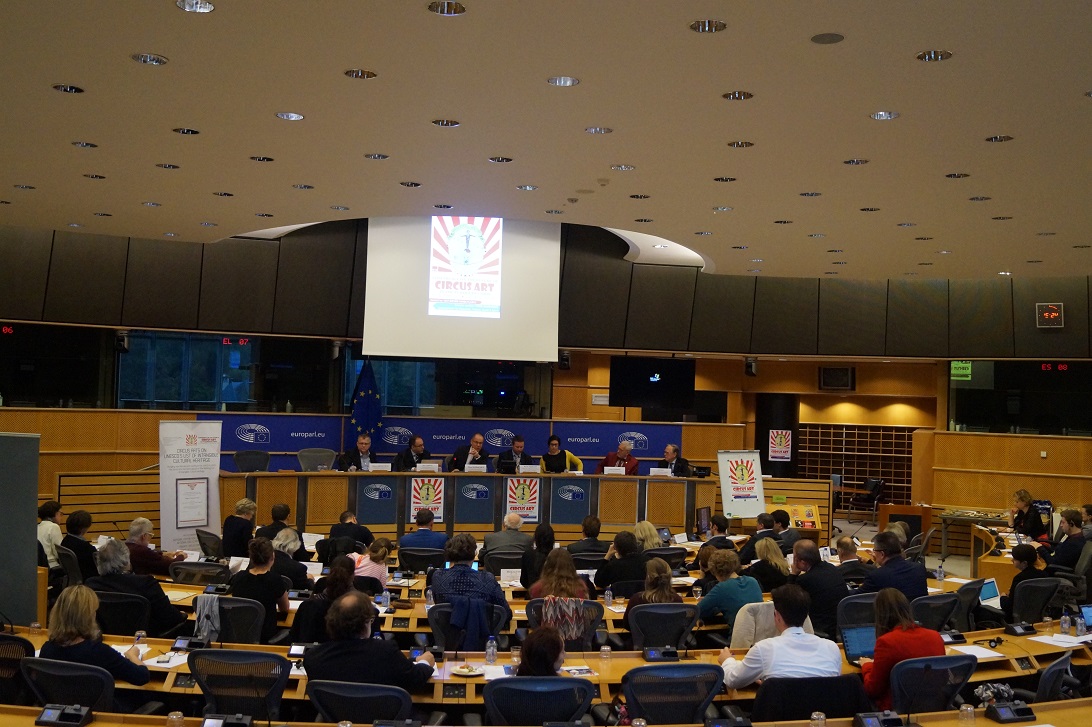
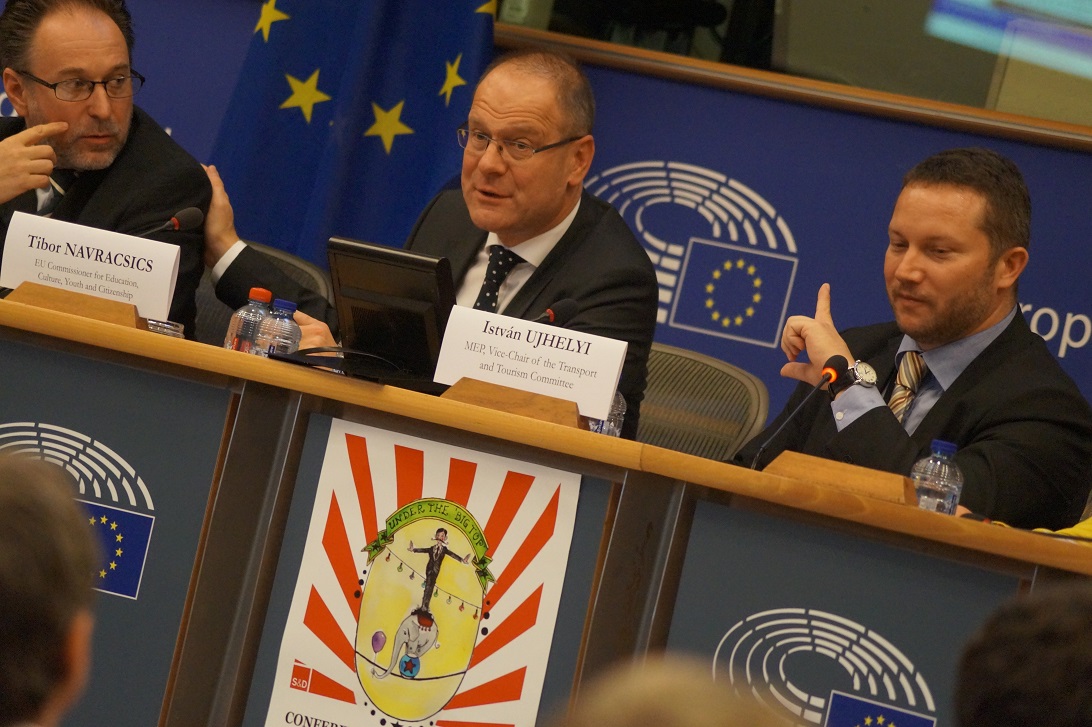
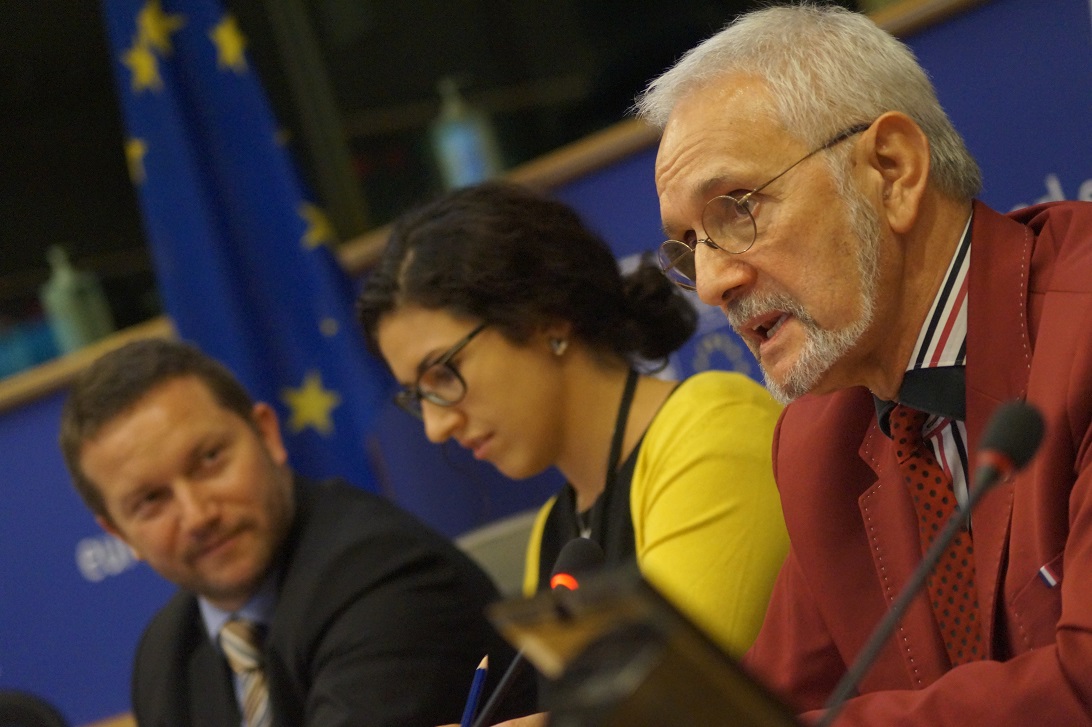
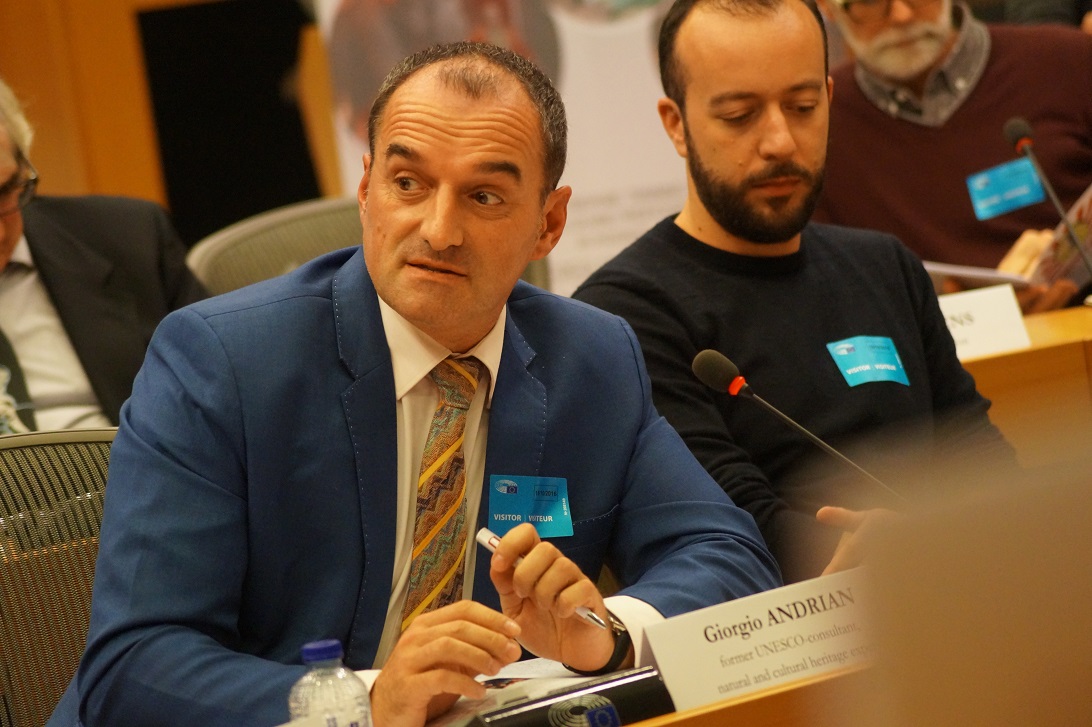
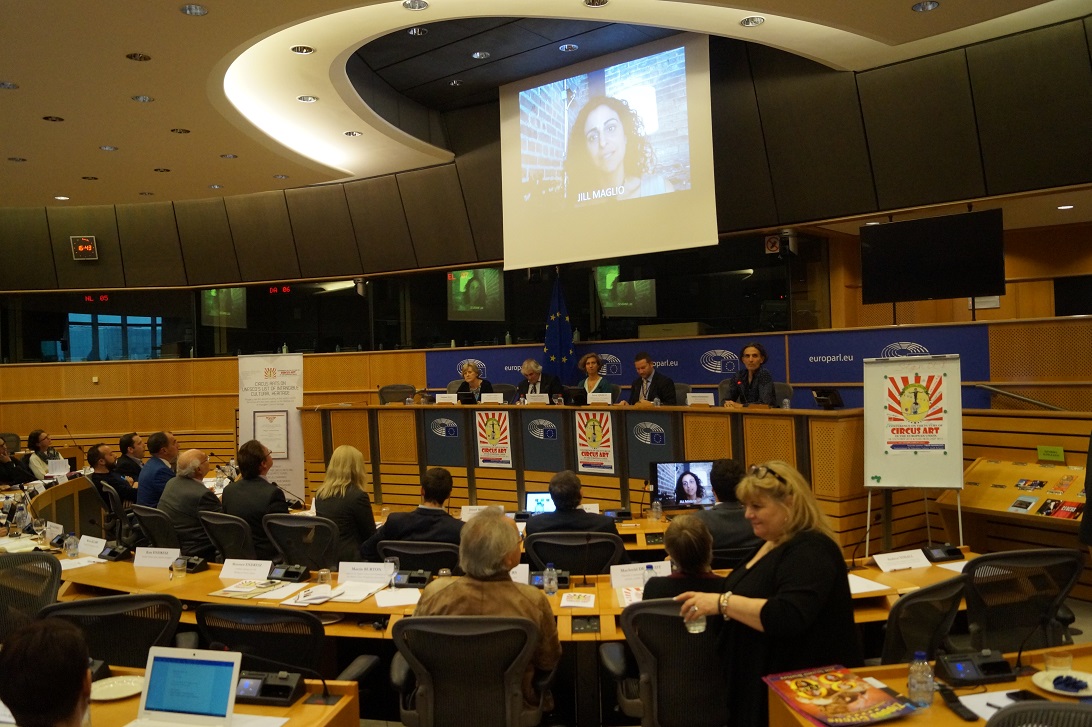
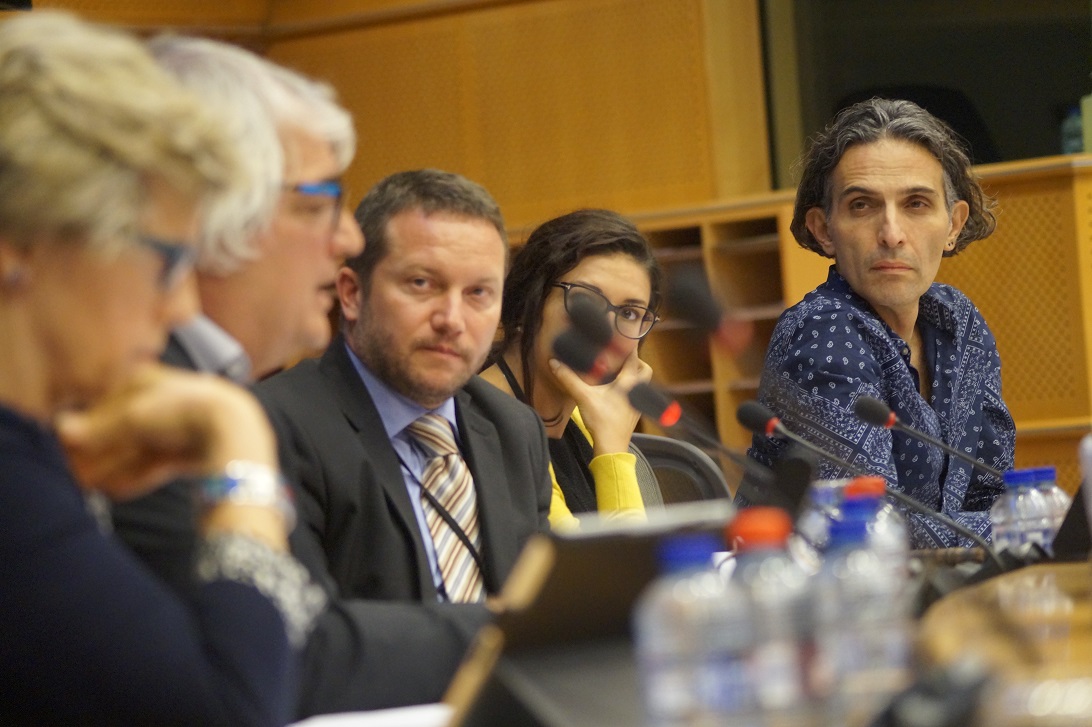
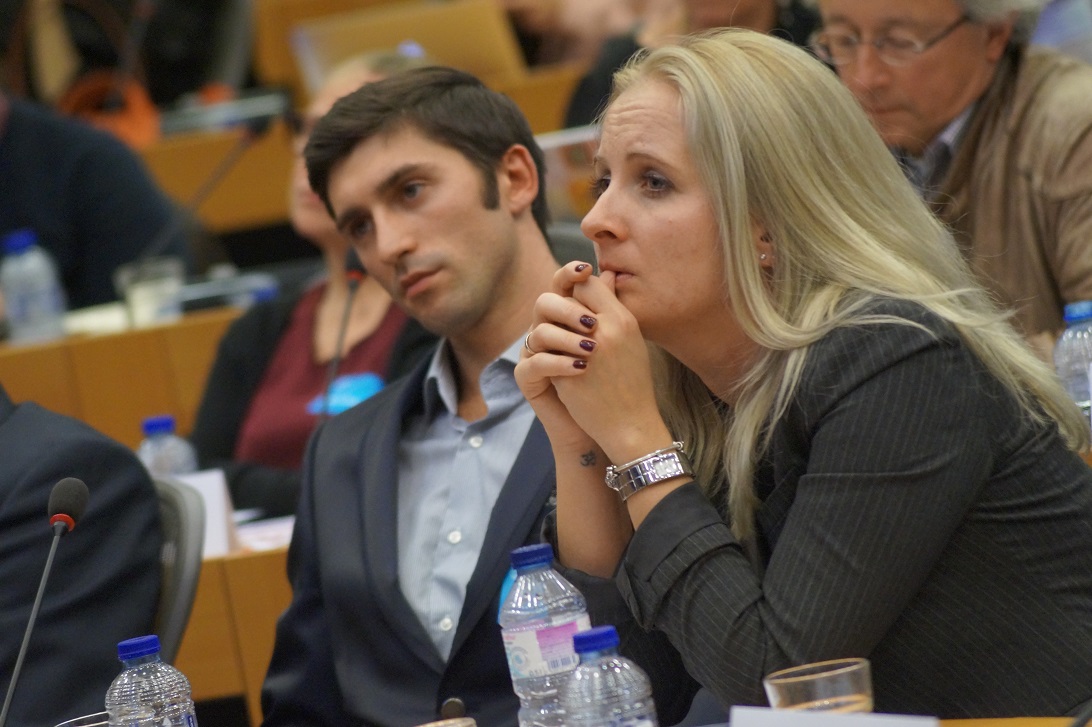
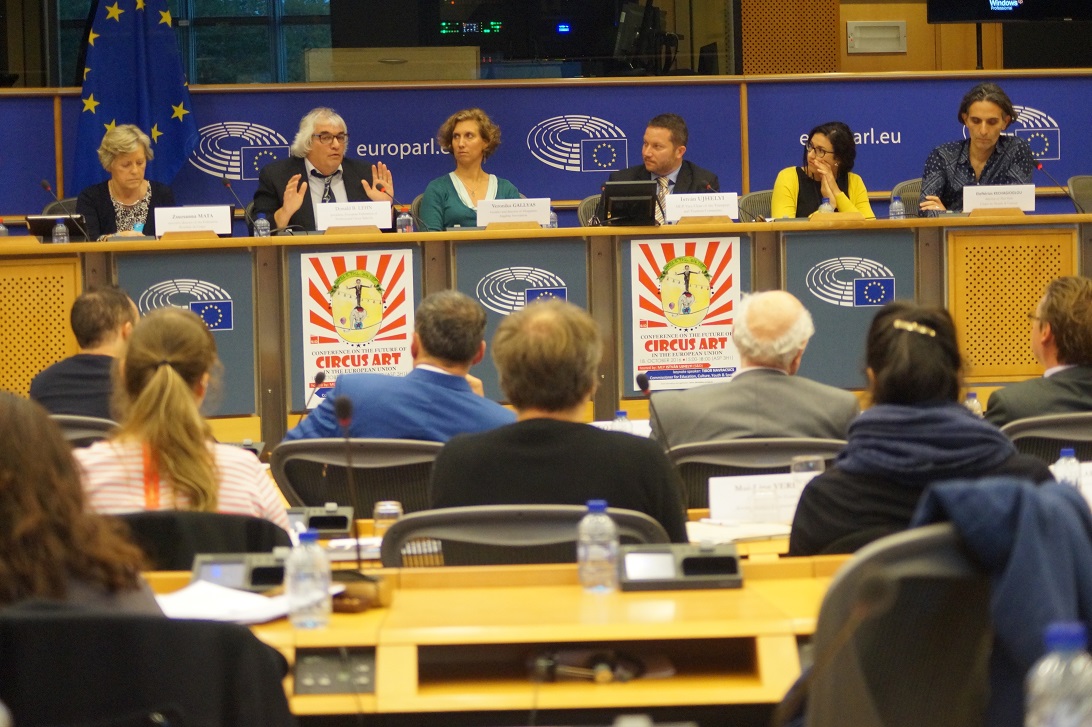
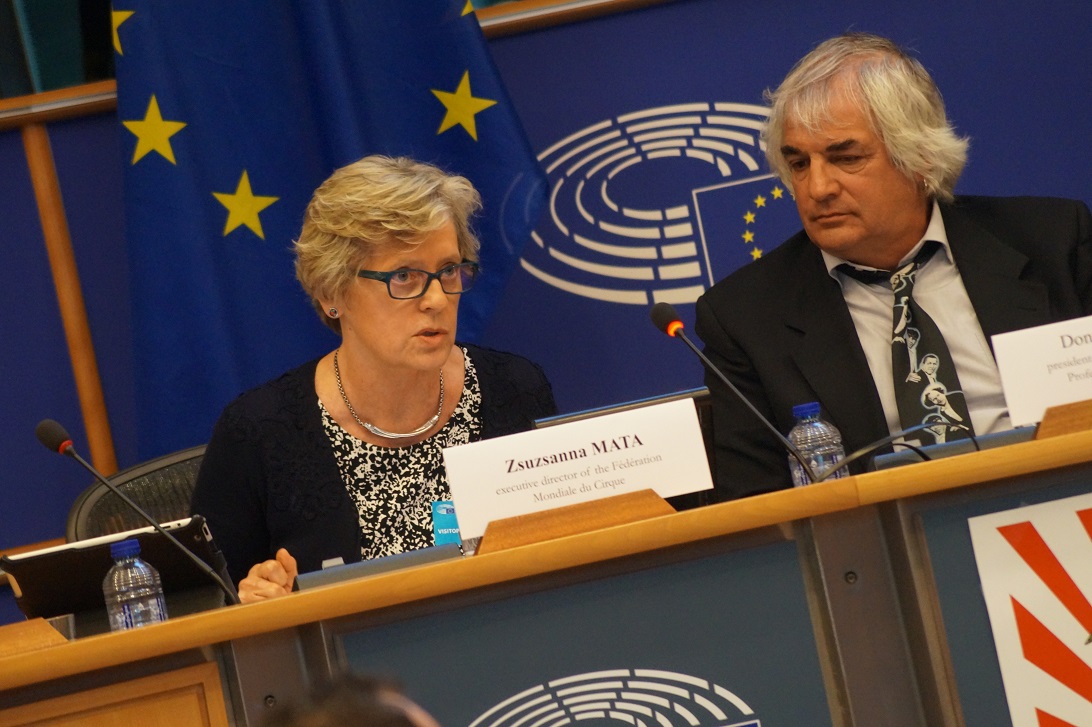
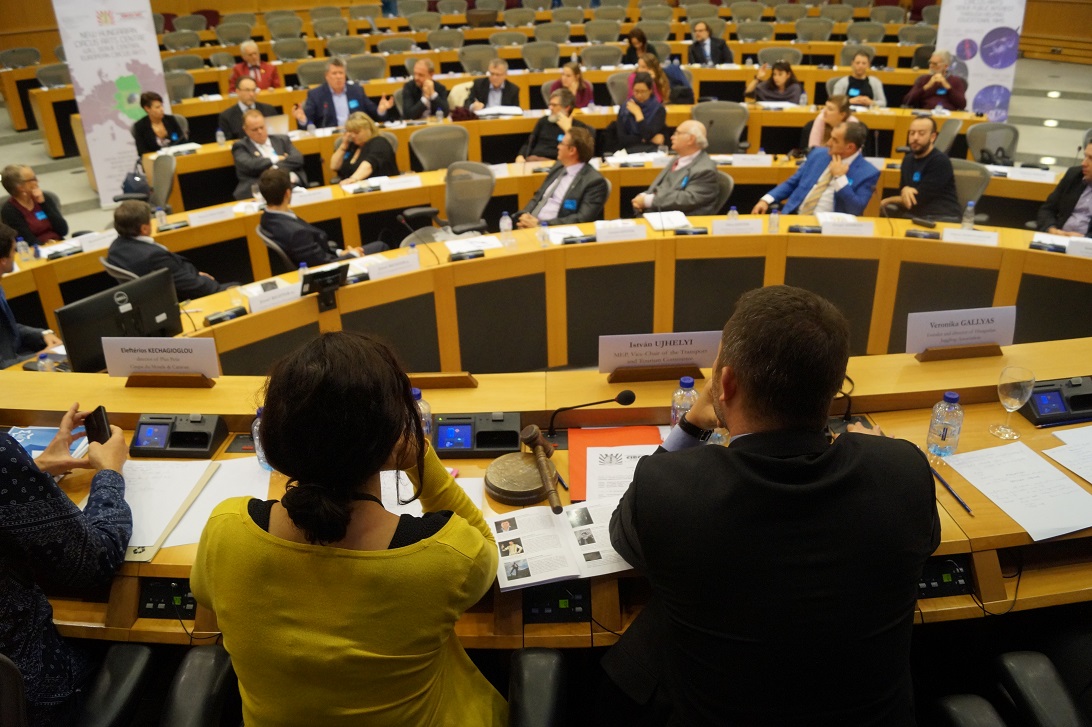
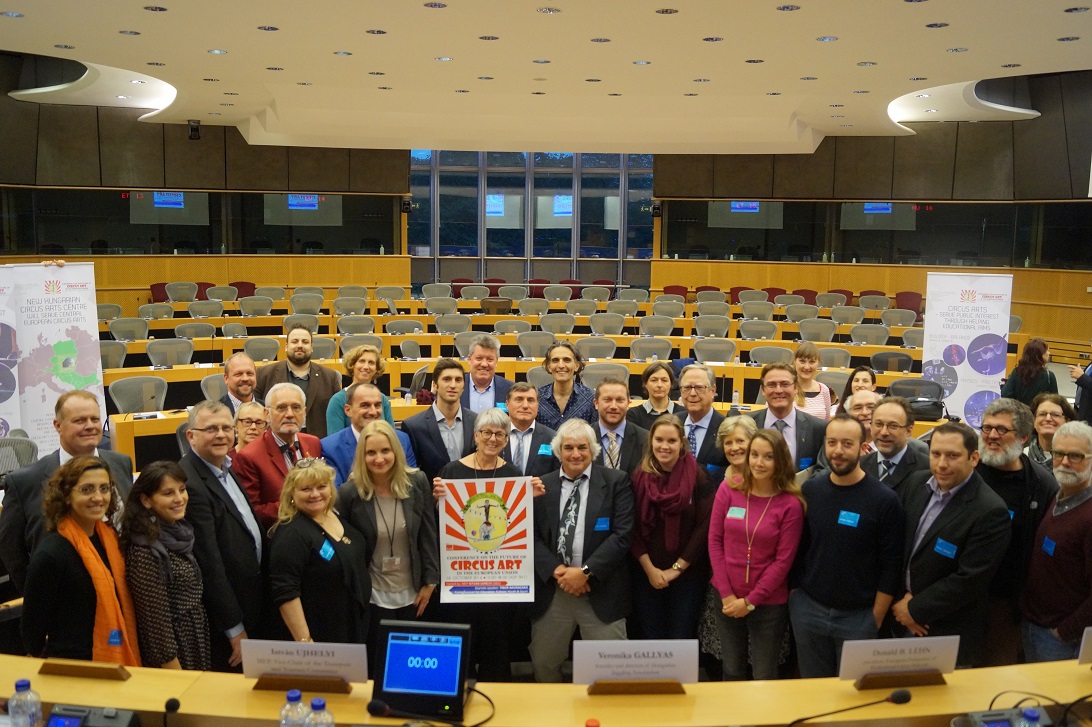
On 18 October 2016, a landmark conference entitled “Under the Big Top – Conference on the Future of Circus Art in the European Union” took place at the European Parliament in Brussels. For the first time, circus arts became the dedicated subject of a high-level discussion within the European Parliament, bringing together European decision-makers, representatives of international circus organisations, traditional circus companies, contemporary performers, educators and social circus professionals.
The conference was initiated and hosted by István Ujhelyi, Hungarian Member of the European Parliament and Vice-President of its Committee on Transport and Tourism (TRAN). His ambition was to give the circus community a stronger voice in European policymaking, to promote greater recognition of circus as an essential part of Europe’s cultural heritage, and to encourage cooperation between its diverse traditions and artistic forms.
The discussions addressed fundamental questions: How can Europe preserve the values of traditional circus while embracing new artistic expressions? How can the sector respond to changing social expectations, particularly regarding animal welfare? And how can European institutions support circus arts through cultural recognition, professional development, education and international cooperation?
In his opening address, Ujhelyi emphasised that circus was far more than entertainment. It represented an important cultural, social and economic activity, contributing to intercultural understanding, tourism, employment and community development.
As he explained:
“This is a defining moment as circus on its own right is a debutant topic in the European Parliament.”
He also acknowledged that European institutions had paid insufficient attention to the sector and its challenges, promising to represent its interests in Brussels and beyond.
Three proposals for the future of European circus
The most significant outcome of Ujhelyi’s opening speech was the presentation of three concrete initiatives, which would subsequently shape the development of the BigTopLabel programme and the broader European circus policy agenda.
The first proposal called upon the European Commission to undertake a comprehensive study of the circus sector, examining its current situation, challenges, economic contribution and future needs. Ujhelyi argued that European policymaking lacked sufficient, up-to-date information about circus companies and their activities.
The second proposal laid the foundations for BigTopLabel itself: the establishment of an independent European quality assurance and accreditation system capable of distinguishing outstanding circus companies through transparent professional evaluation.
In what became the founding declaration of BigTopLabel, Ujhelyi announced:
“I shall propose the establishment of a quality assurance and accreditation certificate that would rate ensembles on their traditional, cultural, and artistic value, with special attention on how they meet animal wellbeing standards. Let us call this certificate the ‘Big Top Label’, the Michelin star of circus arts, an independent quality assurance system guaranteeing quality circus art and no maltreatment of animals.”
He also proposed approaching the International Organization for Standardization (ISO), while expressing his willingness to initiate an independent scheme in cooperation with circus professionals.
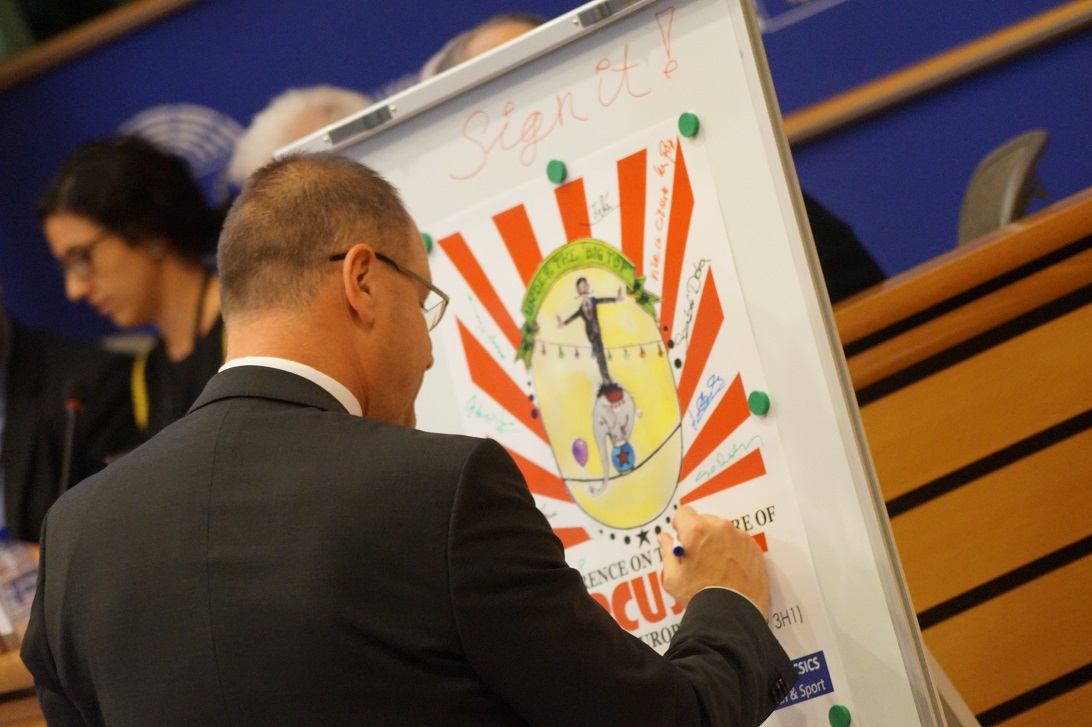
The third proposal was the creation of a Circus Manifesto, a common declaration setting out the values, expectations and future priorities of the European circus community. The document was intended to provide guidance for European institutions and circus stakeholders while encouraging cooperation across the different branches of circus arts.
Ujhelyi invited participants to contribute to its preparation, emphasising that the initiative should emerge from the circus community itself.
European recognition and professional support
The conference received significant institutional attention through the participation of Tibor Navracsics, European Commissioner for Education, Culture, Youth and Sport, who acknowledged circus as an integral part of Europe’s cultural heritage and creative economy.
Navracsics highlighted the importance of balancing the preservation of traditional artistic forms with innovation, new technologies and contemporary creative expression. He also pointed to the European Year of Cultural Heritage 2018 as an opportunity to strengthen cooperation between circus professionals and European institutions.
He explicitly welcomed further collaboration:
“I think that this event is only a kick-off meeting and I hope that we can work together in developing new ideas.”
His contribution helped establish an important political and institutional foundation for the initiatives introduced at the conference.
The proposal for an independent quality label also received immediate encouragement from leading representatives of the international circus community.
Urs Pilz, President of the Fédération Mondiale du Cirque (FMC) and Artistic Director and Vice-President of the International Circus Festival of Monte-Carlo, welcomed Ujhelyi’s emphasis on quality and professional recognition.
“That’s what circus needs.”
Pilz underlined the importance of setting standards while supporting the diversity of circus forms, including traditional, contemporary, social and educational circus activities.
Helmut Grosscurth, Managing Director of the European Circus Association (ECA), likewise expressed support for the three initiatives, recognising their potential to strengthen the European circus community.
“I can sign up to all the three initiatives, that you proposed.”
The discussions revealed broad agreement on the need for greater recognition, stronger professional cooperation and improved standards, although participants also expressed different perspectives on artistic traditions, animal welfare, education and the future development of the sector.
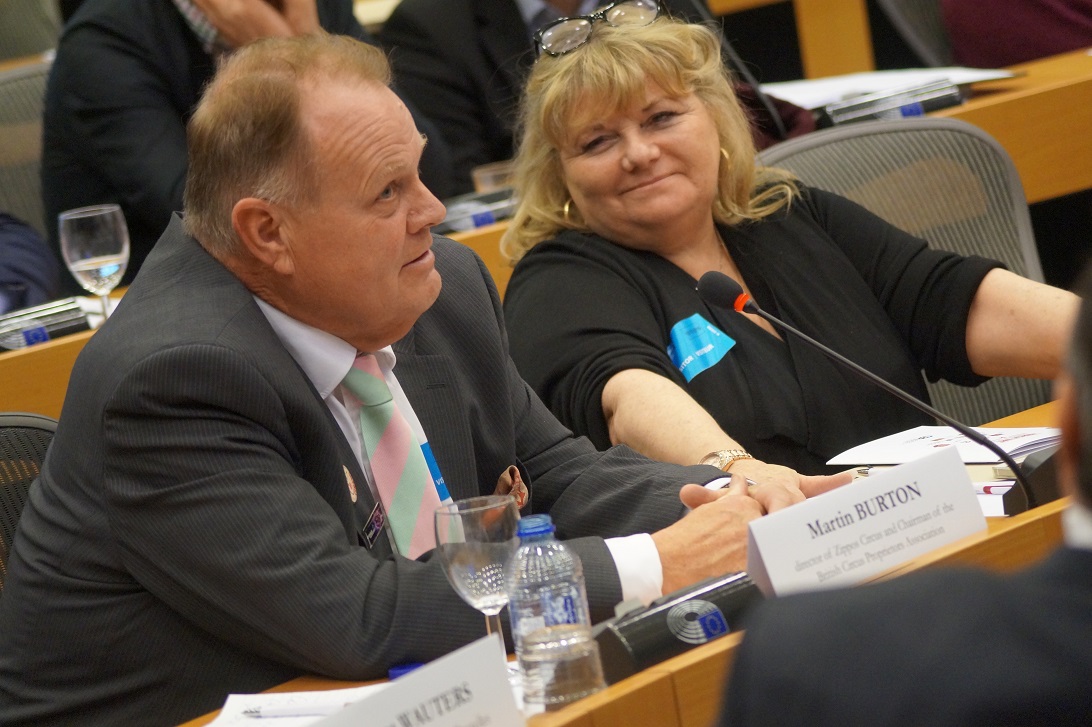
Among the memorable contributions, Laci Endrész, director of Blackpool Tower Circus, called for unity across the circus world:
“Let just call us: ‘circus’. We are a big family, and this is our family-name.”
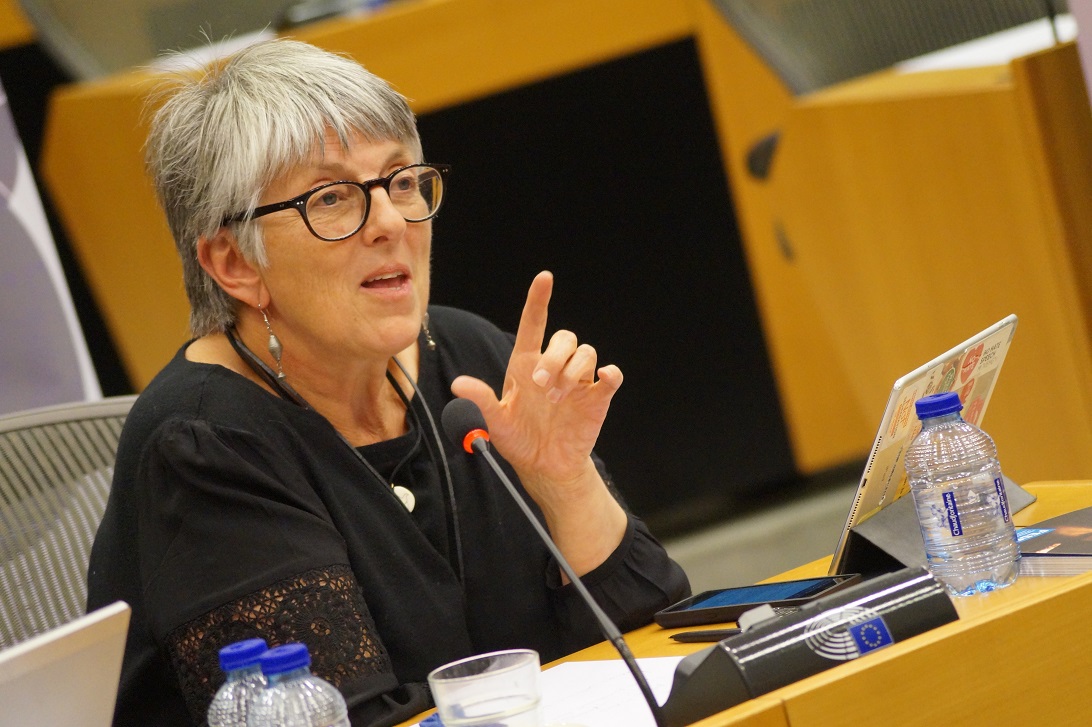
Julie Ward MEP, a member of the European Parliament’s Committee on Culture and Education, emphasised the social and educational importance of circus, particularly its ability to promote inclusion, confidence and opportunities for young people.
The conference also explored circus education, youth employment, artistic mobility, social inclusion, cultural cooperation and the potential recognition of circus heritage by UNESCO.
These exchanges demonstrated that, despite differences between traditional and contemporary approaches, the European circus community shared important challenges and aspirations. The need for a credible, independent quality assurance system emerged as one of the most tangible opportunities for collective progress.
From the Circus Manifesto to BigTopLabel
The momentum generated by the Brussels conference continued into 2017.
On 22 January 2017, István Ujhelyi presented the Circus Manifesto in Monte-Carlo. The declaration promoted the cultural recognition of circus arts, stronger cooperation with European institutions and the establishment of BigTopLabel as an independent quality assurance programme. It attracted support from circus professionals, organisations, decision-makers and enthusiasts, with H.S.H. Princess Stéphanie of Monaco among its first signatories.
Further information: www.circusmanifesto.eu
On 31 May 2017, a follow-up workshop was organised at the European Parliament, bringing together circus experts and stakeholders to discuss the practical framework, evaluation criteria and implementation of BigTopLabel.
Throughout 2017, Ujhelyi’s office maintained discussions with the European Commission, particularly its Directorate-General for Education, Youth, Sport and Culture (DG EAC), concerning cooperation, professional recognition and the development of a European circus quality label.
A significant milestone followed when the BigTopLabel initiative became part of the official programme of the European Year of Cultural Heritage 2018, giving the project greater visibility and recognition within the European cultural framework.
Turning an idea into a quality assurance programme
Following extensive consultations with circus professionals and international organisations, the operational framework of BigTopLabel was finalised and presented in Monte-Carlo in 2018 by Tamás Lajos Szalay, Head of Cabinet to MEP István Ujhelyi and coordinator of the BigTopLabel project.
Working closely with circus stakeholders, Szalay developed the assessment methodology and rating system, transforming the original political initiative into a practical, independent quality assurance programme.
An independent BigTopLabel Committee, composed of respected circus professionals and experts, was established to review inspection reports, assess the findings and decide which applicant companies deserved certification.
The system was designed to evaluate not only artistic excellence, but also the quality of the overall circus experience, professional management, audience facilities, working conditions and animal welfare where applicable.